
Let's talk about the elephant in the bed
Your partner used to touch you. Now they don't. Or not as much. And somewhere between noticing that shift and accepting it, you stopped asking why. That's the part that worries me most. When physical affection drops in a long-term relationship, the silence that follows can feel wider than the actual distance.
Here's what I see in my practice: couples don't usually talk about touch directly. They talk around it. "We're just busy." "The kids have taken everything." "Work has been insane." Sometimes all three are true. But the real truth is often simpler and scarier: your partner doesn't know how to bridge the gap, and you've stopped believing the gap can close.
Lemon clitoral vibrators don't fix a relationship. But they can fix something equally important. They can restore your relationship with your own body. And that matters because when you feel pleasure again, when you remember what sensation feels like, you stop accepting touch starvation as inevitable.
Why reduced physical affection actually changes your brain
When your partner stops touching you regularly, your body registers it as a threat. This isn't dramatic. It's biology. Touch activates the vagus nerve, which regulates your stress response, your ability to connect, and your desire. Consistent touch keeps that system calm and responsive. Withdraw touch, and your nervous system shifts into a lower gear.
Over weeks or months, this has a real cost. Your clitoris, like every erogenous zone, needs regular stimulation to maintain sensitivity. Blood flow decreases. Nerve endings that haven't been engaged start to feel duller. You might notice that orgasms feel harder to reach, or that arousal takes longer, even when you're alone. This isn't your fault. This is how your body adapts to less input.
The second thing that happens is psychological. You start to believe the story your body is telling: that you're not worth touching. That desire is something that happens to other people. That sex is something you schedule around rather than something you reach for. This story is powerful. But it's not true.
How lemon vibrators restore what distance takes away
Clitoral vibrators work differently than a partner's hand. That's actually the point. A lemon vibrator provides consistent, targeted stimulation that your body doesn't have to negotiate. You're not waiting for someone else to be in the mood. You're not reading signals or adjusting your own arousal to match theirs. You're just feeling.
The sensation is direct. The clitoral suction technology in lemon vibrators mimics the gentle pressure of oral sex, which activates nerves your partner's fingers might miss entirely. For people whose partners have touched them less frequently, this can be almost shocking. Your body remembers what pleasure feels like before the touch withdrawal started. And it wakes up.
Here's what happens physiologically. Regular stimulation from a lemon clitoral vibrator rebuilds blood flow to the clitoris. Nerve endings that have gone quiet start to respond again. Your arousal response accelerates. You stop needing 20 minutes to feel anything and start feeling something in 5. This isn't a workaround. This is restoration.
But the deeper work is what happens to your sense of entitlement to pleasure. When you use a clitoral vibrator regularly, you're making a statement to yourself: "My pleasure matters enough to prioritize." That statement is radical when you've been in a low-touch relationship. It rewires the story.
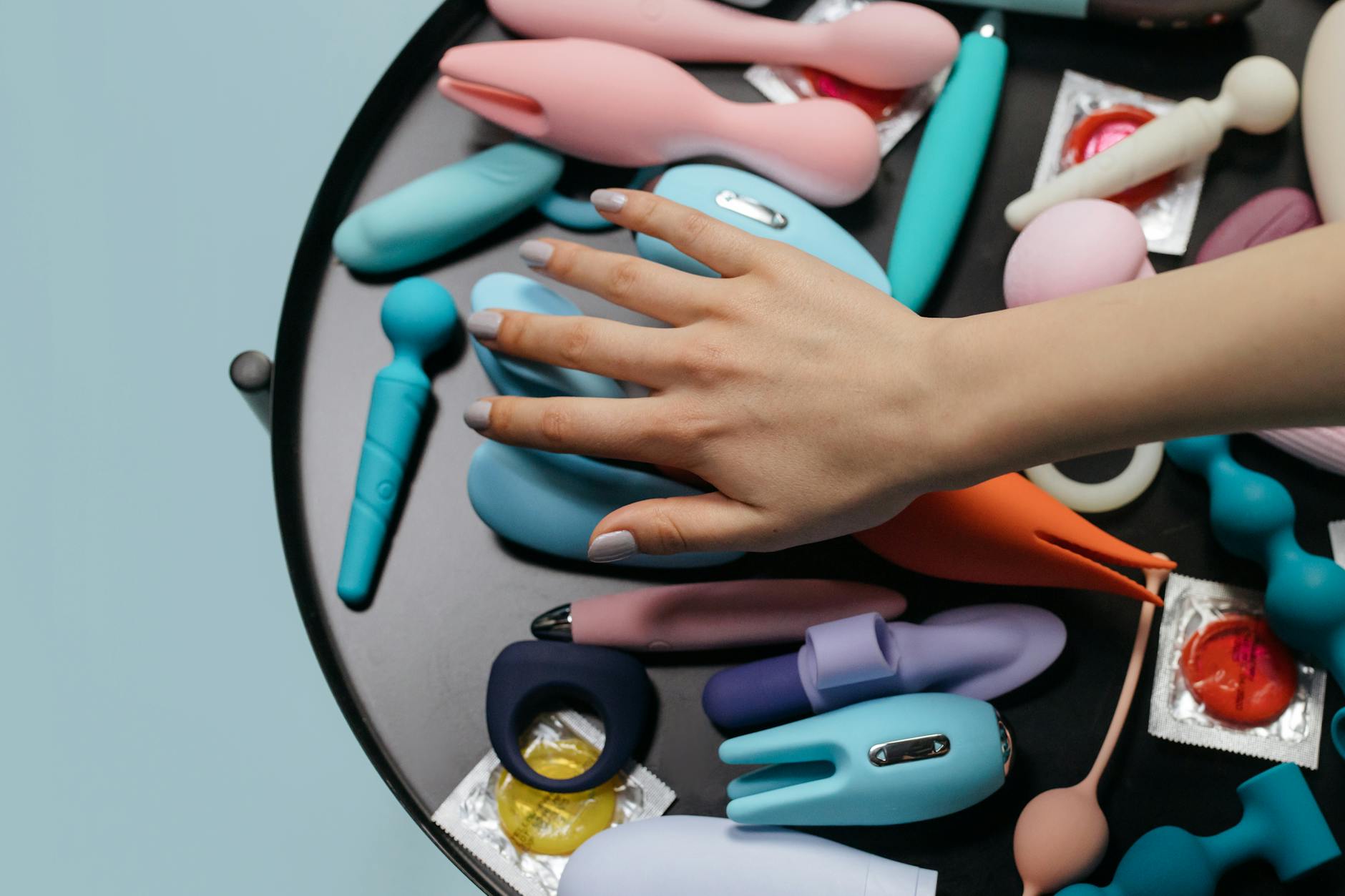
Photo by cottonbro studio on Pexels
The conversation you actually need to have
Using a lemon vibrator when your partner touches you less isn't a substitute for talking about the touch gap. But it often makes the conversation possible. Here's why. When you're touch-starved, you come to that conversation depleted. You approach it as a problem you're having, as a deficit you can't fill. Your partner hears blame. They get defensive. Everyone leaves angrier.
When you've been using a vibrator and you're back in your body, that conversation changes. You're not asking your partner to fix your sexual frustration. You're telling them what you're discovering about yourself. "I've been using this. It feels incredible. I forgot what that felt like." That's a very different sentence.
Some partners become curious. Some feel relieved (they were worried they were failing you). Some feel threatened. All three responses are real. But none of them are your job to manage. Your job is to keep your own nervous system regulated and to refuse to accept that touch starvation is normal.
If your partner is uninterested in toys, in conversation, or in reconnecting, that's separate information. It might point to something bigger. It might point to their own disconnection, depression, or a real incompatibility. But you don't have to figure that out while you're touch-starved. Use the lemon vibrator. Feel what pleasure feels like again. Then decide what comes next with a body that remembers how to want.
How to use lemon clitoral vibrators when you've been touch-deprived
If your partner rarely touches you now, your body might feel shy when you first use a vibrator. That's normal. Start by just feeling. Use it for two to three minutes at the lowest setting. You're not training yourself to need intensity. You're waking your body back up.
The best time is when you're least tired and most private. A partner who's rarely touched you is unlikely to walk in during your self-pleasure, but the privacy matters for your own ease. Twenty minutes alone is enough. You're not chasing orgasm. You're chasing sensation. That's the goal.
If you find yourself tensing up because of guilt (about using a vibrator, about pleasure, about bypassing your partner), pause. Name it. This guilt usually comes from the story you've internalized: that pleasure is something that happens to you through someone else, not something you generate. A lemon clitoral vibrator inverts that story. Pleasure becomes something you own.
When to involve your partner (and when not to)
There's a difference between using a vibrator to restore yourself and using it as a solo practice forever. Eventually, many people want to introduce their partner. The key is timing and framing. Don't introduce it as "because you're not doing this." Introduce it as "I discovered something about what feels good, and I want to share it with you."
Some partners will be excited. Some will want to learn how to use it on you. Some will integrate it into partner sex gradually. This is when the real reconnection starts. You're not asking your partner to replace what they've withdrawn. You're inviting them into something new.
If your partner refuses to engage with a vibrator or sees it as a threat rather than an invitation, that's also information. It might mean they're insecure about their own performance. It might mean they don't actually want to reconnect. It might mean they need their own therapy. But their response is not your responsibility to fix.
The thing about desire when affection has dropped
Low desire is often the symptom people bring to therapy. "I don't want sex anymore." But when I ask about touch, I usually find the real story. "My partner stopped touching me. So I stopped wanting them to." Desire doesn't vanish randomly. It withers when it's not met.
A lemon vibrator won't rebuild a broken relationship. But it will rebuild your desire. And desire is the first thing most couples need to find again before anything else can shift. When you're pleasure-responsive again, when your body feels alive, when arousal comes quickly and feels good, you have more resources for the bigger conversations.
For rebuilding intimacy after extended illness, vibrators serve a similar function. They reconnect you to sensation when distance has been physical. For touch-starved relationships, the principle is the same. Your body needs to remember.
When touch withdrawal is actually a sign of something bigger
I need to be clear about one thing. If your partner has stopped touching you because you're in a loveless marriage, or because they're emotionally unavailable, or because the relationship has fundamentally shifted, a vibrator won't fix that. It will just make the loneliness sharper. Use it to feel good, yes. But don't use it to stay in something that's quietly killing you.
Touch withdrawal can signal depression in your partner. It can signal infidelity. It can signal that they're checked out. It can also signal nothing but practical exhaustion and habit. The vibrator helps you feel good while you figure out which one it is. That's valuable. But it's not a replacement for honest assessment of the relationship.
If you're in a long-term partnership where touch has diminished, when your partner isn't interested in toys becomes a question worth exploring. But first, you have to know what you actually want independent of their response.
Using lemon vibrators to reclaim your body
Honestly though, the most important thing a clitoral vibrator does when your partner touches you less is this. It gives you back permission to feel good. It makes your pleasure non-negotiable. It puts your body back in your own hands.
That's not small. That's foundational. Because when your partner's touch fades, the voice that usually fades first is the voice saying "I deserve this." A lemon vibrator is that voice in tangible form. Use it. Feel it. Remember what you're worth.
Questions people ask
How often should I use a clitoral vibrator if my partner rarely touches me?
There's no standard frequency. Some people use one two or three times a week. Some use one daily. What matters is that you're using it for pleasure, not as a coping mechanism for relationship unhappiness. If you find yourself reaching for the vibrator right after your partner rejects physical affection, that's a sign the relationship conversation needs to happen. The vibrator should feel like a gift you're giving yourself, not a band-aid over a wound.
Will using a vibrator make me less interested in my partner's touch?
Actually, the opposite usually happens. When you restore your own arousal response, you often become more interested in partnered touch, not less. The goal becomes richer, not replacement. What sometimes happens is you become less willing to accept crumbs. You raise your standards. That's healthy, even if it's uncomfortable.
Can I use a lemon vibrator with my partner even if they've been touch-avoidant?
Yes. Some partners who have withdrawn from touch become interested again when they see you enjoying yourself. Others need you to move through your own pleasure journey first before they can engage. And some don't. But introducing a vibrator during partnered sex is different from asking them to touch you more. It's collaborative. See how they respond.
What if my partner sees the vibrator as a threat or cheating?
That's a conversation worth having directly. "This is about my own pleasure, not about replacing you." Some partners' discomfort comes from insecurity. Some comes from upbringing or shame. Some comes from actual lack of interest in your pleasure. All of it deserves to be heard and addressed. But your pleasure shouldn't be held hostage to their comfort.
How long does it take for sensation to come back after a partner's touch has faded?
Every body is different. Some people feel restored within two weeks of regular vibrator use. Some take two months. What matters is consistency, not speed. You're rewiring neural pathways and blood flow. That takes time. But it happens. Your body remembers.
Is using a lemon vibrator the same as cheating if my partner doesn't know?
That depends on your relationship agreements. In some partnerships, solo pleasure is private. In others, there's an expectation of transparency. You get to decide what's right for you. What I'd say is this. If you need to hide it, that's a sign the conversation about touch needs to happen. Hiding suggests shame. You shouldn't be ashamed of your own pleasure.
The bigger picture
When your partner touches you less, the reflex is usually to blame yourself. You got too comfortable. You gained weight. You're not sexy anymore. You nag too much. You're too tired. All of these stories keep you small and accepting of less. A lemon clitoral vibrator is a small rebellion against that story. It says your pleasure is non-negotiable. It says your body deserves attention. It says you're not waiting for permission.
The vibrator won't fix a broken relationship. But it might fix your sense of what you deserve. And that, sometimes, is what changes everything.