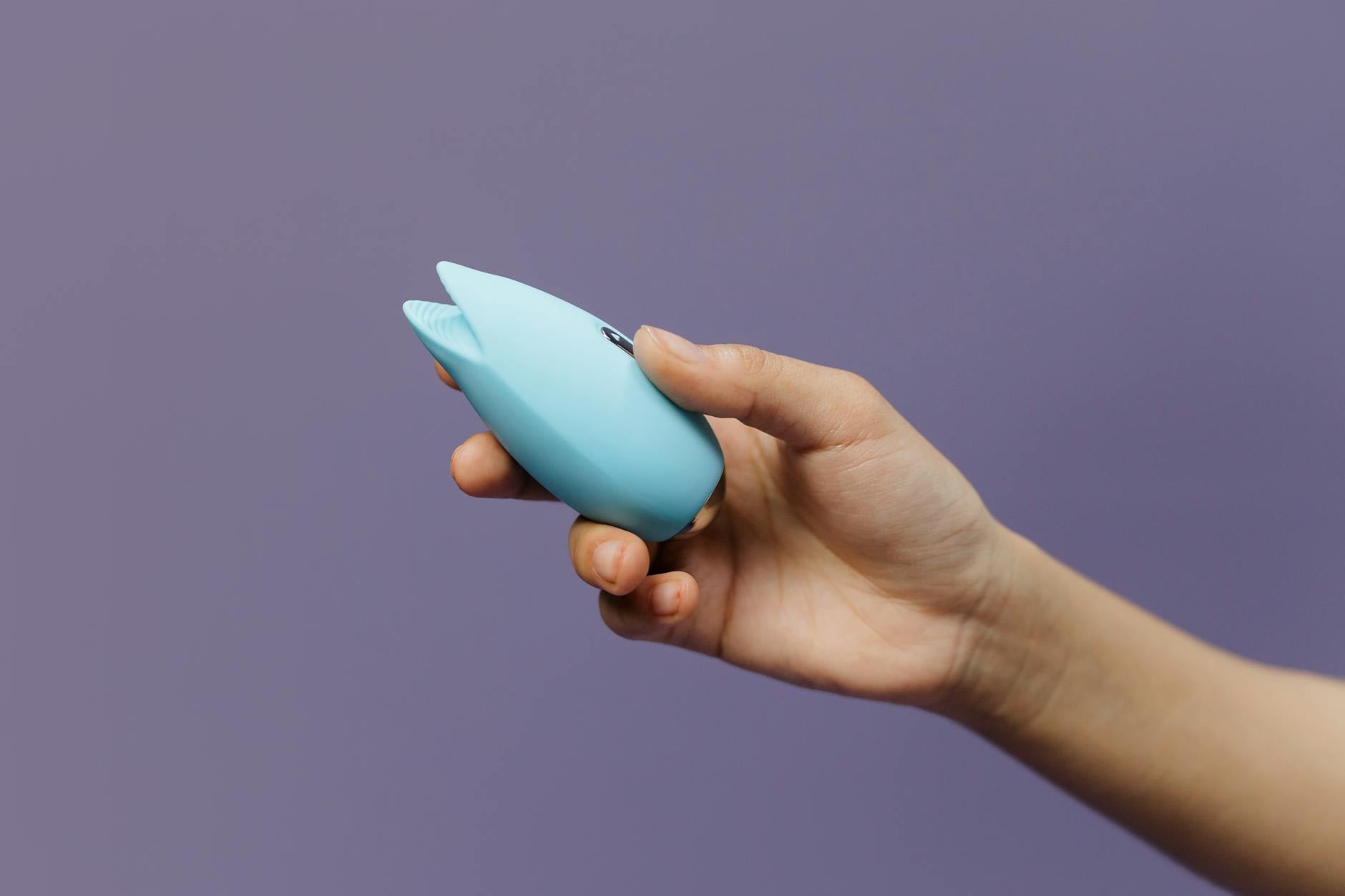
Surgery changes how your body responds to touch. Here's how lemon clitoral vibrators become part of reclaiming sensation and rebuilding intimacy safely.
Let's be real: after pelvic floor surgery, everything feels different. Your surgeon told you about recovery timelines, physical therapy, and when it's safe to resume "normal activity." What they probably didn't explain clearly is what pleasure actually feels like in the months after, why sensation changes, and how to rebuild confidence around your own body.
Here's what I see in my practice. People who've had pelvic floor reconstruction, prolapse repair, or other procedures around the vulva and pelvic region often experience numbness, altered sensation, or difficulty with arousal. That's not permanent. But it does require a different approach to pleasure, and lemon clitoral vibrators are often the right tool.
Pelvic floor surgery involves working around sensitive nerves and tissue that's central to pleasure. During recovery, nerves can be temporarily inflamed or bruised, and scar tissue forms as part of healing. Both change how stimulation feels. Some people report complete numbness in the clitoris. Others describe it as muffled, distant, or altered in a way they can't quite describe.
Here's what doesn't get explained enough: this is not permanent damage. Nerve sensitivity typically returns as inflammation subsides and scar tissue matures, usually between 3-12 months post-surgery. But during that window, traditional vibrators often feel wrong. Too intense. Too buzzy. Disconnected from what your body is trying to register.
Lemon vibrators use gentle suction rather than direct vibration alone. Instead of the buzzing friction of a traditional vibrator, they create rhythmic pressure that builds sensation from the inside outward. This matters tremendously during recovery because it stimulates nerve endings without aggressive mechanical friction against healing tissue.
Think of it this way. A standard vibrator requires your nerves to respond to rapid vibration. After surgery, those nerves are often sensitive or numbed. Suction works differently. It creates a pulling sensation that travels deeper into the tissue, stimulating a broader network of nerves at once. You're not relying on one concentrated area to register sensation.
Many of my clients report that traditional vibrators feel painful or irritating after pelvic floor surgery, even months into recovery. The same people often find lemon clitoral vibrators feel almost therapeutic. The gentler pressure helps rebuild sensation gradually, without overwhelming healing tissue.
Most surgeons clear patients for sexual activity around 6 weeks post-op. That's the minimum threshold for basic healing. But sensation recovery is a different timeline entirely.
I recommend this framework with my clients:
Weeks 0-6: No internal or external stimulation. Let everything heal without stimulus.
Weeks 6-12: Solo exploration only. Your surgeon cleared you for activity, but you need time to understand how your body feels now. Start with hands first, no toys. Spend time just touching and noticing where sensation is present and where it's muted.
Weeks 12+: Introduce external stimulation with lemon sexual toys on the lowest settings. No pressure to reach orgasm. The goal is mapping sensation and rebuilding the neural connection between touch and pleasure.
Months 4-6: Gradually increase intensity as sensation returns and confidence builds.
Don't rush this. I know the impatience is real. But sensation recovery after pelvic floor surgery is genuinely a process, and lemon vibrators are most effective when you meet your healing timeline halfway.
When you're ready to introduce a lemon clitoral vibrator, approach it like you're learning your body for the first time. Because in a lot of ways, you are.
First session should feel almost boring. Use it on pattern 1 or 2 (the lightest settings) for maybe 3-5 minutes. The goal is not orgasm. The goal is noticing what sensations return. Does pressure feel different from vibration? Are some areas more sensitive than others? Does the suction feel soothing or irritating?
Most people find that suction-based stimulation feels very different from pre-surgery pleasure. That's not wrong. It's just different. Over weeks, as nerve inflammation subsides, you'll notice the sensation sharpening and shifting. What felt muted in month 3 might feel present and clear by month 5.
With a partner, communication becomes crucial. Tell them what you're noticing, not what you think you should feel. "This feels kind of numb" is more useful information than pushing yourself to pretend everything feels normal. Partners who understand the recovery timeline can help rebuild pleasure without the pressure of performance.
Many of my couples hit a rough patch after pelvic floor surgery. The person who had surgery is navigating changed sensation and often some anxiety around the body. The partner is navigating uncertainty about what's safe, what feels good, and whether things will return to normal.
Here's what helps. Separate the conversation about physical recovery from the conversation about emotional intimacy. "My sensation is different right now" is a statement about healing. "I need us to reconnect slowly" is a statement about your relationship. Both are true. Both deserve attention. They don't have to be solved at the same time.
When you do introduce lemon vibrators into partnered sex, it works best as a shared exploration rather than a return to the way things were. Your partner might hold the device while you guide them to the right pressure and pattern. That's intimacy. That's rebuilding trust in your own pleasure signal.
Avoid this: using the device as a workaround to "get you there" faster. That reintroduces performance pressure and defeats the purpose of recovery.
Some discomfort early in recovery is normal. Soreness, mild aching, or sensitivity as nerves wake up. That's different from pain. If lemon vibrators or any stimulation causes sharp pain, throbbing, or increased swelling, stop and contact your surgeon or physical therapist.
That's not failure. That's listening to your body and respecting the healing process. Some people need more time. Others have complications that require additional care. There's no timeline shame here.
I mention lemon vibrators because the design matters for post-surgery recovery. The silicone is soft and non-porous, easy to clean and sterilize between uses, which matters during a healing phase when preventing infection is crucial. The suction mechanism is gentle but effective, and the multiple pattern settings let you start impossibly low and work up gradually.
Some people ask whether they need to spend $89 on a clitoral vibrator during recovery. Fair question. My answer: if you're already managing recovery timelines, physical therapy, and anxiety around your body, having a device specifically designed for post-surgery pleasure matters. It's not excessive. It's practical.
Most of my clients report that sensation fully returns between 6-12 months post-op. But here's something that doesn't get discussed: some people find that their pleasure is actually richer on the other side of surgery. Weird, right?
There are a few reasons. Pelvic floor repair often improves blood flow and nerve signal in ways that enhance sensation long-term. You've spent months in close attention with your body, learning its signals and respecting its limits. That awareness carries forward. And you've had to rebuild intimacy with yourself or a partner from scratch, which often creates deeper connection than the casual sex that came before.
Don't rush to get back to where you were. Give yourself permission to discover where you actually are now.
Most surgeons clear patients for external stimulation around 8-12 weeks post-op, but that varies. Get explicit clearance from your surgeon before introducing any vibrators. Then take another month or two to explore without toys. When you do use lemon adult toys, start around the 12-week mark at the absolute earliest, using only the lowest settings.
Not if you're using it correctly and have your surgeon's clearance. Gentle stimulation that doesn't cause pain actually helps restore nerve function. It's aggressive stimulation or stimulation that causes pain that can set back recovery. Listen to your body, use low settings, and keep sessions short while healing.
Yes. Surgical clearance means the incision has closed and basic healing is progressing. Sensation recovery is a separate process that often takes months longer. Numbness is common and usually temporary. If it's not improving by 6-9 months post-op, mention it to your surgeon or ask for a referral to a pelvic floor physical therapist.
Scar tissue sensitivity varies widely. Some people find gentle suction on low settings actually helps desensitize scar tissue over time. Others find any stimulation irritating initially. Start extremely low and increase gradually. If it's consistently painful, talk to your physical therapist about scar tissue mobilization before trying vibrators again.
Yes. Even if lubrication isn't typically an issue for you, post-surgery healing often reduces natural lubrication temporarily. Water-based lube makes everything feel better and reduces friction against healing tissue. It's not a sign something is wrong. It's just part of recovery.
If you're using a lemon vibrator on pattern 1 for 5 minutes and it feels comfortable, neutral, not painful and also not triggering numbness, try pattern 2 next session. Increase intensity slowly. The fact that you can notice sensation sharpening and changing is the green light to progress.
Recovery after pelvic floor surgery is profoundly personal. Some people move through it quickly. Others need more time. What matters is that you're not isolated in the process, that you have clear information, and that you understand your body isn't broken. It's healing. And lemon clitoral vibrators can be a useful, gentle tool in that process. Your pleasure matters. Even, especially, during recovery.