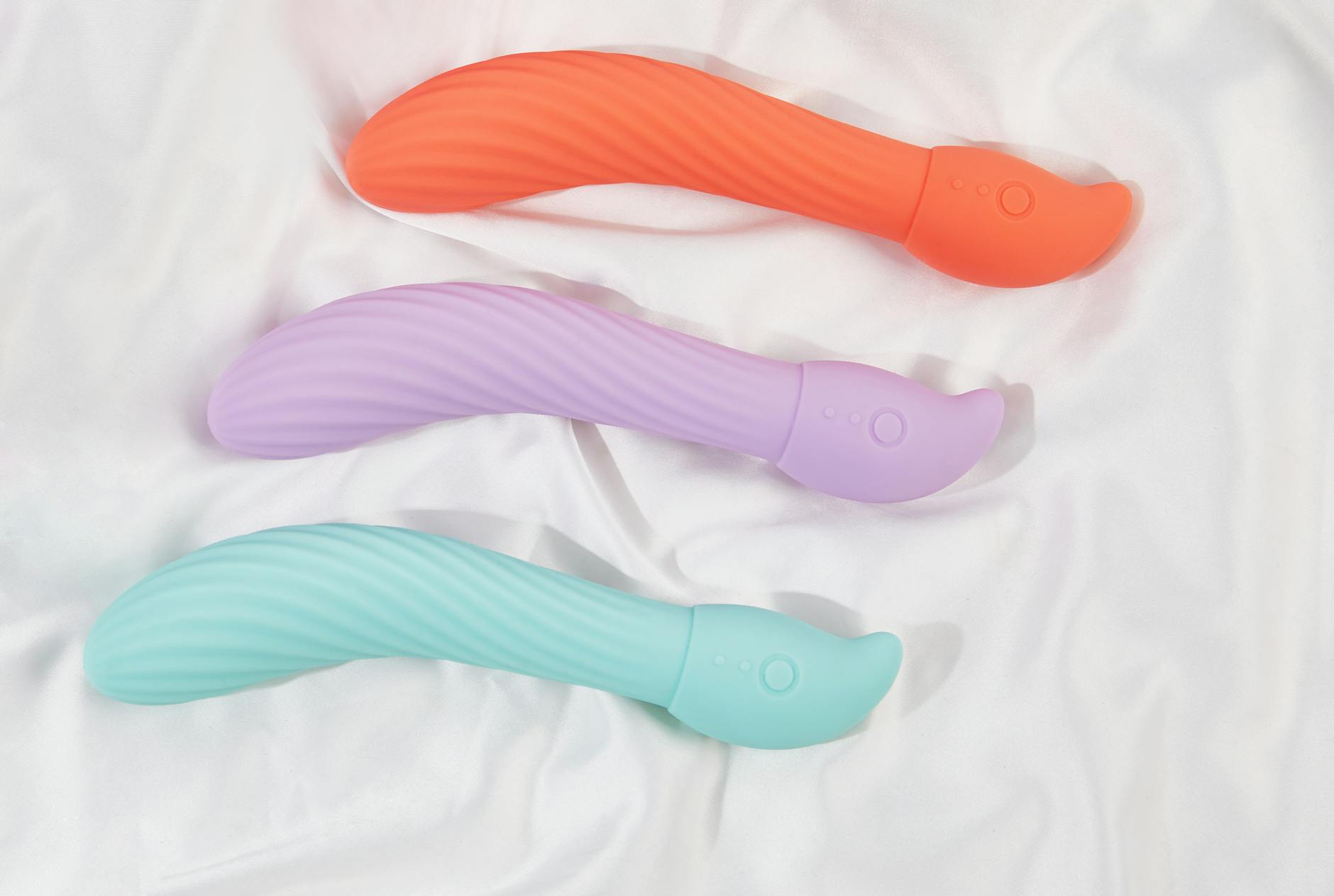
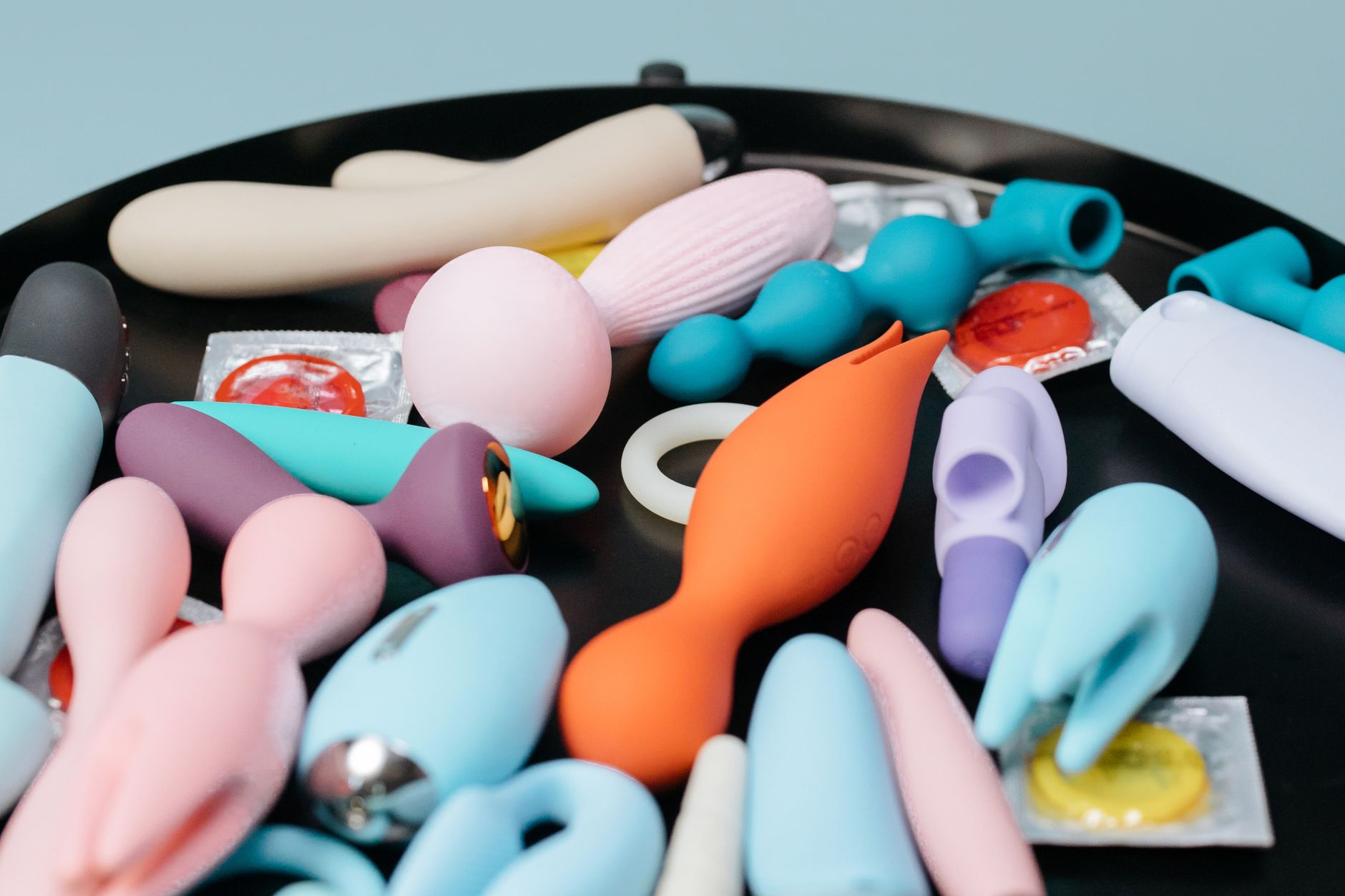
Antidepressants save lives. Full stop. But they also change how your body feels pleasure, and that's a real loss worth grieving and then actually fixing. Between 40 and 60 percent of people taking SSRIs experience some form of sexual side effect. Most of us aren't told this in advance. We notice it happens, and then we're stuck wondering if we should stay on something that works for our mood or switch meds or just accept that pleasure is gone.
SSRIs increase serotonin availability in your brain, which lifts depression. But serotonin receptors live everywhere in your body. Including in the peripheral nervous system that powers arousal and orgasm. The result is a genuine blunting of physical sensation. You might notice it as:
Longer time to arousal. Your body takes longer to respond to touch. Decreased intensity in orgasm, or the ability to orgasm at all. Reduced lubrication or genital sensation. A feeling of being behind glass while sex happens around you.
This isn't psychological. It's not in your head, and it's not laziness or a dying relationship. It's a direct pharmacological effect on sensory processing. And that matters because the fix isn't willpower. It's strategy.
One crucial thing: switching medications or stopping them without medical guidance is risky. Depression without treatment carries its own pleasure-killing costs. The path forward isn't choosing between mood health and sexual health. It's finding tools that work alongside your medication.
Most vibrators work through direct vibration against tissue. When sensation is already muted by medication, this can feel distant or frustrating. You're waiting for an orgasm that feels present, and it stays somewhere else.
Lemon vibrators and other suction-style toys work through a totally different mechanism. Instead of vibration, they create a gentle rhythmic suction pattern that stimulates deep nerve clusters in the clitoris. This works differently on desensitized tissue because it's not relying on surface nerve endings to register intensity. You're engaging deeper tissue and broader neural pathways.
For people on antidepressants, this often means sensation comes through more clearly. Not because lemon suction vibrators are magic, but because they're using a different sensory highway. Your medication is still dampening signal, but you're not fighting the medication by trying harder. You're working with your nervous system as it actually is.
One thing I see constantly in my practice is people who go from baseline pleasure to medication-adjusted baseline and think they're broken forever. They aren't. Sensation can rebuild, but it requires permission and patience.
Start with shorter sessions. Five to ten minutes with a lemon vibrator, patterns one through three. Your goal isn't orgasm. It's noticing what you can feel. Let your brain map sensation without the pressure of reaching a destination.
Add lubricant, always. Antidepressants often reduce natural lubrication, and that compounds the numbness. A good water-based lube helps your clitoris receive signal instead of fighting friction.
Track what patterns and intensities create the most sensation, not the fastest orgasm. You're looking for signal, not speed.
Over weeks, you'll likely notice sensation returning or intensifying. This is your nervous system learning to register pleasure again within its current chemistry. It's not instant, but it's real.
Here's what you should know: some antidepressants cause fewer sexual side effects than others. If you're experiencing significant numbness and it's affecting your quality of life, you have standing to talk to your prescriber about alternatives. Bupropion, for example, actually improves sexual function in many people. Mirtazapine sometimes does too.
But this is a conversation to have with your doctor, not a reason to stop your current medication. The conversation sounds like: "I'm noticing sexual side effects that are affecting my wellbeing. Are there alternatives in my class of medication that might work better for both mood and sexual function?"
Many doctors haven't had this conversation with patients before. They assume you'll either accept it or switch meds. But asking is legitimate. Your pleasure matters as much as your symptom relief.
Timing can also help. Taking your dose at night instead of morning sometimes shifts when numbness peaks. Or changing the time slightly. Again, always with medical guidance. But it's something to explore with your provider.
If you're in a partnership, this deserves its own conversation. Not "my antidepressant is breaking sex" but "my nervous system is processing sensation differently right now, and here's what I need from you."
What you need might be:
More time before sex. Your body takes longer to signal arousal. That's not rejection. That's physiology.
Different kinds of touch. Maybe oral stimulation works better than penetration. Maybe focusing on one area for longer helps. Maybe using a lemon vibrator together changes the dynamic in a good way.
Patience with orgasm timing. You might not get there, and that doesn't mean sex was bad. An orgasm-free sexual experience can still be connecting and pleasurable. Removing the pressure often makes sensation easier anyway.
Your partner's job is to stop interpreting this as about them. It's not. It's your medication keeping you alive, and your body adapting to that. The sexiest thing a partner can do is understand that.
If you're starting with a lemon clitoral vibrator for the first time while on antidepressants, here's what actually works:
Start with pattern one or two. These are gentler suction rhythms. Let your clitoris get familiar with the sensation without overwhelming it.
Use it for five to ten minutes. You're not optimizing for orgasm yet. You're waking up sensation.
Do this regularly. Three to four times a week is more effective than once a month. Your nervous system learns through repetition.
Track what you notice. Does pattern three feel different than pattern one? Does your sensation improve over two weeks? Do certain times of day work better than others? This data matters.
Remember that recovery isn't linear. Some days sensation will be more available than others. Stress, sleep, and other medications all factor in. That's normal.
If numbness is total and doesn't improve over several weeks of consistent use, mention it at your next visit. You're not complaining. You're reporting. Your doctor needs to know which side effects are manageable and which ones are compromising your quality of life.
Some people benefit from brief medication breaks (if their psychiatrist agrees), or from adding a sexual function supplement like L-arginine or ginseng. Others do better on a different class of antidepressant entirely. You won't know until you ask.
If you experience actual pain alongside numbness, that's a different conversation. Genitourinary syndrome of menopause and medication-related changes can sometimes overlap. A gynecologist trained in sexual health can sort this out.
Most people on antidepressants feel guilty about needing extra help for pleasure. Like they're supposed to tough it out or accept numbness as the cost of stability. You're not. Your pleasure matters as much as your mental health. They're not opposing forces. They're part of the same picture of you being okay.
Using a lemon vibrator while on antidepressants isn't a workaround. It's intelligent adaptation. You're working with your actual nervous system, not fighting it. You're rebuilding sensation methodically instead of hoping it returns on its own. That's not settling. That's honoring both your mental health and your right to feel good.
Your antidepressant is keeping you alive. Lemon suction vibrators are helping you feel alive. Both are worth doing.
No. For most people, sexual side effects persist only while taking the medication. When you stop (under medical supervision), sensation returns over weeks to months. Some people notice improvement faster than others, usually depending on which medication they were on and how long they were taking it. If you've been on an SSRI for years, your nervous system might take longer to recalibrate than someone on it for a few months. But permanent damage isn't the typical trajectory.
Maybe. Some antidepressants are gentler on sexual function than others. Bupropion, mirtazapine, and vilazodone are sometimes associated with fewer sexual side effects. But switching comes with its own risks. Your current medication is working for your mood. A switch might help with sensation and tank your depression management. This is worth discussing with your psychiatrist as a real trade-off, not a simple fix. They can tell you which alternatives might work for your specific situation.
Most people notice measurable changes within two to four weeks of regular use, usually three to four times weekly. But "measurable" might mean "I can feel intensity variations now instead of everything being equally muted." It might not mean "I'm back to baseline orgasms." Full sensation recovery can take two to three months or longer, depending on the medication and your individual neurology. Patience is the operative word here.
Yes, often. Both alter serotonin processing and can amplify the numbness effect. If you're noticing particularly bad sexual numbness on days when you've had more coffee or drinks, that's worth experimenting with. Some people do better on antidepressants if they reduce caffeine or alcohol. Others barely notice the difference. Track what happens for you specifically.
Absolutely. Lemon clitoral vibrators are external toys. They don't interact with medications. The only things to watch for are keeping your toy clean, using water-based lube if you're using silicone, and not pushing through pain. If you experience pain or unusual symptoms, mention it to your doctor. But numbness plus lemon vibrators is a safe, effective combination for many people.
Yes, if it's an exclusive relationship where sex is part of the dynamic. You don't need to disclose your diagnosis, but "my medication is affecting sensation and we might need to adjust our approach" is fair information to share. It removes the burden of your partner interpreting numbness as lack of attraction or desire. It's a logistics conversation, not an emotional one. Most partners actually find this easier to work with than silent struggle.