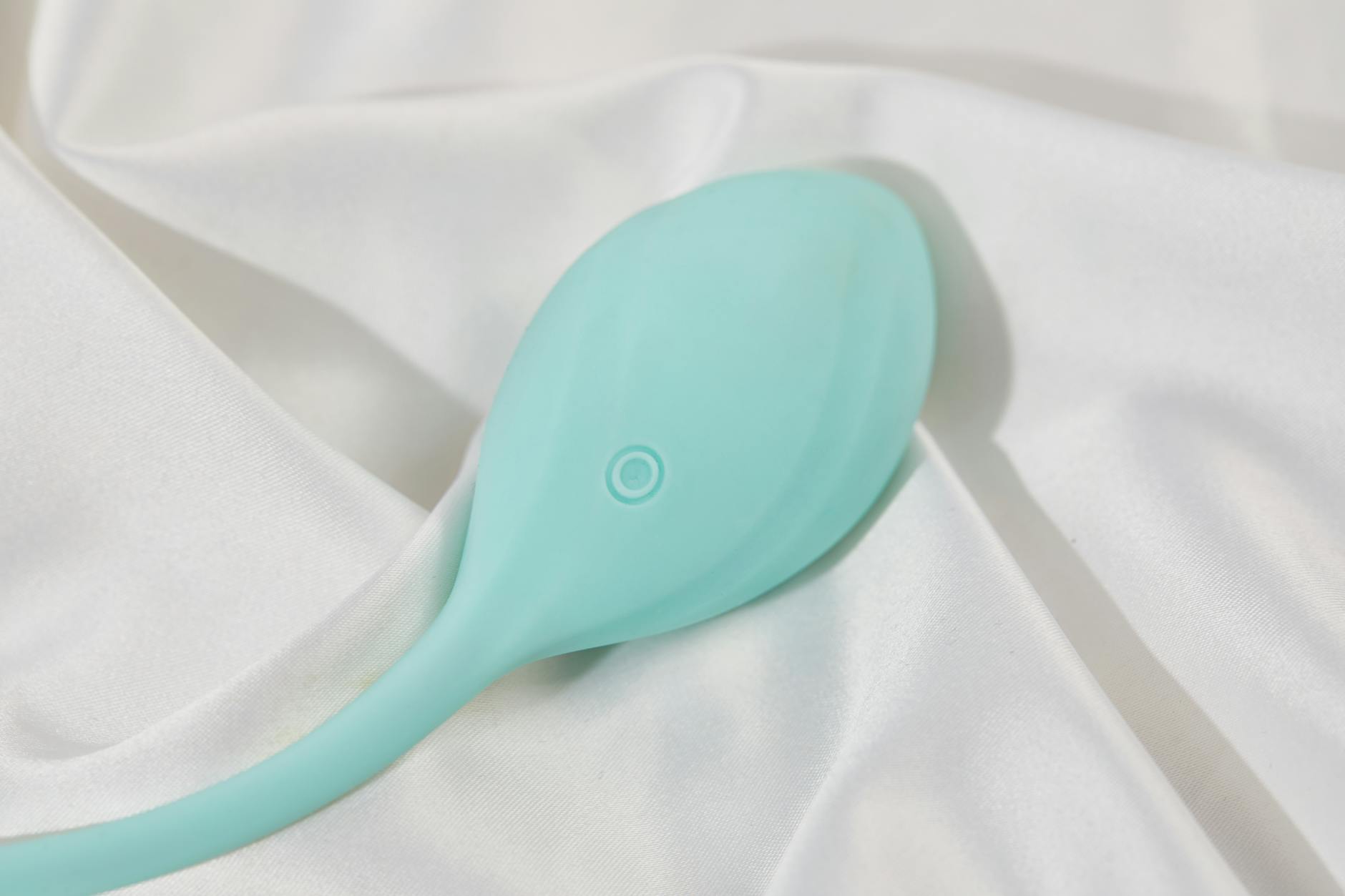
You've probably been told that vibrators are just vibrators. Pick a noise level and go. That's like saying all shoes fit all feet. A lemon clitoral vibrator works brilliantly when it's matched to your anatomy, but it can feel awkward, miss the mark entirely, or create numbness if the shape or intensity doesn't align with your body.
I'm here to change that. What makes a lemon vibrator right for you isn't the brand or the price tag. It's the match between your clitoral anatomy, your sensitivity threshold, and your actual usage pattern.
Your clitoris isn't uniform. The visible part, the glans, varies wildly in size, shape, and how far it sits from the surface. Some people have a compact glans; others have a more prominent one. Some prefer direct contact; others find it overwhelming and need lateral stimulation along the hood or side.
A lemon vibrator's shape determines where pressure lands. The Lem, for instance, uses suction and air-pulse technology rather than direct vibration. This works exceptionally well if your clitoris is sensitive to direct friction but struggles if you need focused, concentrated contact.
Conversely, a straight vibrator gives you precision but can feel too intense for people with sensitive glans. The key is matching the delivery method to your anatomy, not just picking whatever's trending.
When I work with people choosing their first lemon sexual toy, I focus on two things: external anatomy (size and positioning of your clitoris) and nervous system response (how quickly you get desensitized).
External anatomy. Lie back, gently spread your outer labia, and notice: Is your clitoris prominent or tucked? Does it sit close to your body or further away? Is the visible glans roughly the size of a pea, a marble, or larger? This matters because it tells you whether you need a toy that reaches inward or works on the outer structures. Lemon vibrators typically excel at broad, diffuse stimulation across the whole vulva, making them ideal if your clitoris sits deeper or you prefer whole-vulva contact over pinpoint focus.
Desensitization tendency. Do you usually climax quickly and plateau easily, or does your pleasure build gradually and stay responsive throughout? This is less obvious but crucial. People who desensitize quickly (where the same stimulus stops working after 3-5 minutes) often do better with air-pulse or suction technology because the sensation is dynamic, not static. Direct vibration, applied for too long, can feel numbing. A lemon sucker-style toy changes the sensation every few pulses, which keeps your nervous system engaged.
Most vibrator guides focus on intensity. Here's what they miss: angle and shape matter more.
If you masturbate by pressing something flat against your clitoris from above, you want a vibrator with a broad, flattened contact surface. If you tend to grind on your hand with the heel of it, you need something that gives you that pressure point. If you use pillows or lie face-down, you need something stable and angled that works against weight and friction.
Lemon clitoral vibrators come in a few key shapes. The classic pear or teardrop shape (like the Lem) is designed to cup the entire vulva and deliver stimulation across a wider area, which suits people who like diffuse sensation. Smaller, more pointed toys suit someone who prefers concentrated, targeted contact.
Angle matters too. Some toys are straight; others curve slightly. If you masturbate with upward pressure, a curved toy follows your anatomy naturally. If you prefer downward or side pressure, straight might feel more intuitive.
You don't need the strongest vibrator. You need the right intensity for your nervous system and tissue sensitivity.
People often buy powerful vibrators thinking "more vibration equals better sensation." Wrong. High intensity can numb sensitive tissue quickly and create dependency. Over time, you need to turn it up further just to feel anything. Starting lower and saving intensity levels for occasional use is actually the pleasure-positive move.
For first-time toy buyers, I typically recommend starting with a lemon vibrator in the 3000-5000 frequency range (often called "low" or "medium" on the brand's scale). This gives you genuine sensation without numbing. If after a month of use you're craving more, you can explore higher settings. You'll know your baseline then.
Lemon sexual toys are generally gentler than standard bullet vibrators because they use suction or air-pulse instead of traditional vibration alone, making them a good entry point for people worried about over-stimulation.
This sounds abstract but it's practical. How do you use your body during masturbation?
Lying on your back, thighs slightly apart. You need a toy with a handle or grip you can control easily from this angle. Angle matters less because you're working straight-on.
Face-down or on your side, using weight and pressure. You need something sturdy and stable that won't slip. A lighter toy might not hold up under your weight.
Sitting upright. You need something compact and controllable, ideally waterproof because positions can get messy. Angle might matter more here because gravity's pulling differently.
Standing or dynamic. You want something hands-free or super easy to hold, which points toward wearable toys or something with a strong grip.
Before you buy a lemon vibrator, honestly picture how you'll use it. Then check the dimensions and weight. A toy that's perfect for bed might be awkward in the shower or against a pillow.
Lemon vibrators are typically made from medical-grade silicone, which is great. But sensitivity around your clitoris means you should know: even soft silicone can feel scratchy if the toy isn't perfectly clean or if you have any micro-tears in the tissue.
Silicone is also porous at a microscopic level, which is why you need to clean it properly between uses. A toy that hasn't been fully cleaned can introduce bacteria over time, which creates irritation and makes everything feel less pleasant.
For people with vulva skin sensitivity or a history of yeast infections, lemon adult toys are a solid choice because the material is forgiving and washes cleanly. Just take the cleaning part seriously. A quick rinse isn't enough. You need actual soap and warm water, or a toy cleaner.
This changes everything and almost nobody mentions it.
If you're using a lemon vibrator solo, you can focus entirely on what feels best for your body. You can take your time, explore pressure and angle, and be selfish about sensation. Solo play is actually where you learn what works, which then informs partnered play.
If you're using a lemon vibrator with a partner, you need something that's either easy to hand off or designed for partnered use. Handle length matters. So does whether the vibrator is quiet enough that you're not focused on the noise.
For couples, I often recommend something in the mid-size range with a clear grip. Too small and your partner feels fumbling. Too large and it takes up all the space in bed.
Here's a resource a lot of people don't know about: some sexual wellness libraries rent toys.
Before you commit 80+ dollars to a lemon vibrator, see if your city has a library of pleasure that lets you try toys short-term. If not, consider this: Hello Nancy has a generous refund window. Use it. Buy something that matches the categories above, try it for two weeks, and if it doesn't fit your body, return it. This is genuinely cheaper than guessing wrong.
Mistake 1: Buying based on reviews alone. Someone else's body is not your body. A toy that changed one person's pleasure might feel wrong on yours. Use reviews to check quality and durability, not as proof that a toy will work for you.
Mistake 2: Assuming bigger equals better. Larger toys don't automatically feel better. They can feel overwhelming or unwieldy. Start smaller and work up if needed.
Mistake 3: Chasing intensity. The most powerful lemon sexual toy isn't the best one. The one that matches your sensitivity is.
Mistake 4: Ignoring the handle. I've seen people buy beautiful toys with terrible grips and never use them because they're awkward to hold. Grip and angle matter as much as vibration.
Mistake 5: Forgetting the context. Will you use this solo, with a partner, in a specific position, in water? Buy for your actual life, not a fantasy version of it.
You'll know a lemon vibrator is right for you when:
It feels intuitive immediately. You don't have to think about where to place it or how to angle it. Your body already knows.
You're not chasing numbness. You're not turning up the intensity constantly or needing more pressure to feel anything. Pleasure is consistent across sessions.
You're actually using it. Not occasionally. Not as an afterthought. It's integrated into your pleasure routine because it works.
You're discovering new sensations, not repeating the same one. A good toy should evolve with you over weeks and months.
Choosing the right lemon vibrator is genuinely about matching the tool to your body, not buying the most recommended one. Your anatomy, sensitivity, position, and life are unique. A lem vibrator that's perfect for your best friend might feel totally wrong for you. Trust your body's feedback, give toys time to integrate into your pleasure life, and remember: if something doesn't work, there's almost always something else that will. Your pleasure isn't broken. The match just needs refinement.
What's the difference between air-pulse lemon vibrators and traditional vibration? Air-pulse technology (like the suction in Hello Nancy's Lem vibrator) creates gentle pulses of pressure rather than rapid vibration. This reduces desensitization for some people and feels gentler on sensitive tissue. Traditional vibration is continuous buzzing at a set frequency. Neither is objectively better. It depends on your nervous system response. Some people find air-pulse more pleasurable; others prefer the consistency of straight vibration.
How do I know if my clitoris is sensitive or desensitizes easily? Pay attention to your masturbation patterns over a few weeks. If you climax quickly and then need a break before pleasure rebuilds, you're sensitivity-responsive. If you can go for long sessions without losing sensation, you desensitize slowly. There's nothing wrong with either pattern. It just tells you whether to choose a toy that changes sensation (like a lemon sucker) or one that stays consistent.
Can lemon sexual toys work for people with vulvodynia or chronic pain? Yes, often better than other vibrators because air-pulse and suction technology are gentler than direct vibration. But if you have vulvodynia, talk to a pelvic floor physical therapist before introducing any toy. Pain conditions need professional guidance. Some people find the right vibrator opens new possibilities; others need treatment before toys are helpful.
Should I buy the smallest or largest lemon clitoral vibrator? Neither automatically. Buy based on your anatomy and how you use your body, not on size assumptions. Smaller toys offer more precision; larger toys can stimulate a broader area. Mid-sized lemon vibrators (like the Lem) suit most people because they're versatile enough for several pleasure styles without being overwhelming.
Why does a toy that felt great last month feel numb now? Desensitization is real. If you're using the same toy at the same intensity every day, your nervous system adapts. Try: lower the intensity setting, use it less frequently, or vary the pattern. You're not broken. Your body is just asking for novelty or rest.
Can I use a lemon vibrator if I've never had one before? Absolutely. Lemon vibrators are actually ideal entry-level toys because they're gentler than many alternatives and intuitive to use. Start on a lower setting, give yourself permission to explore without pressure, and remember: pleasure takes time. One session won't teach you everything. Give it a few weeks.