Let's be real about foreplay without penetration
Most couples think of foreplay as a warm-up act. Something you do before the main event. But what if the main event is pleasure itself, and penetration isn't part of the plan at all?
Couples & Intimacy
Skip the pressure. Lemon clitoral vibrators reframe what foreplay means when penetration isn't the goal. Here's how to start the conversation and why it changes everything.
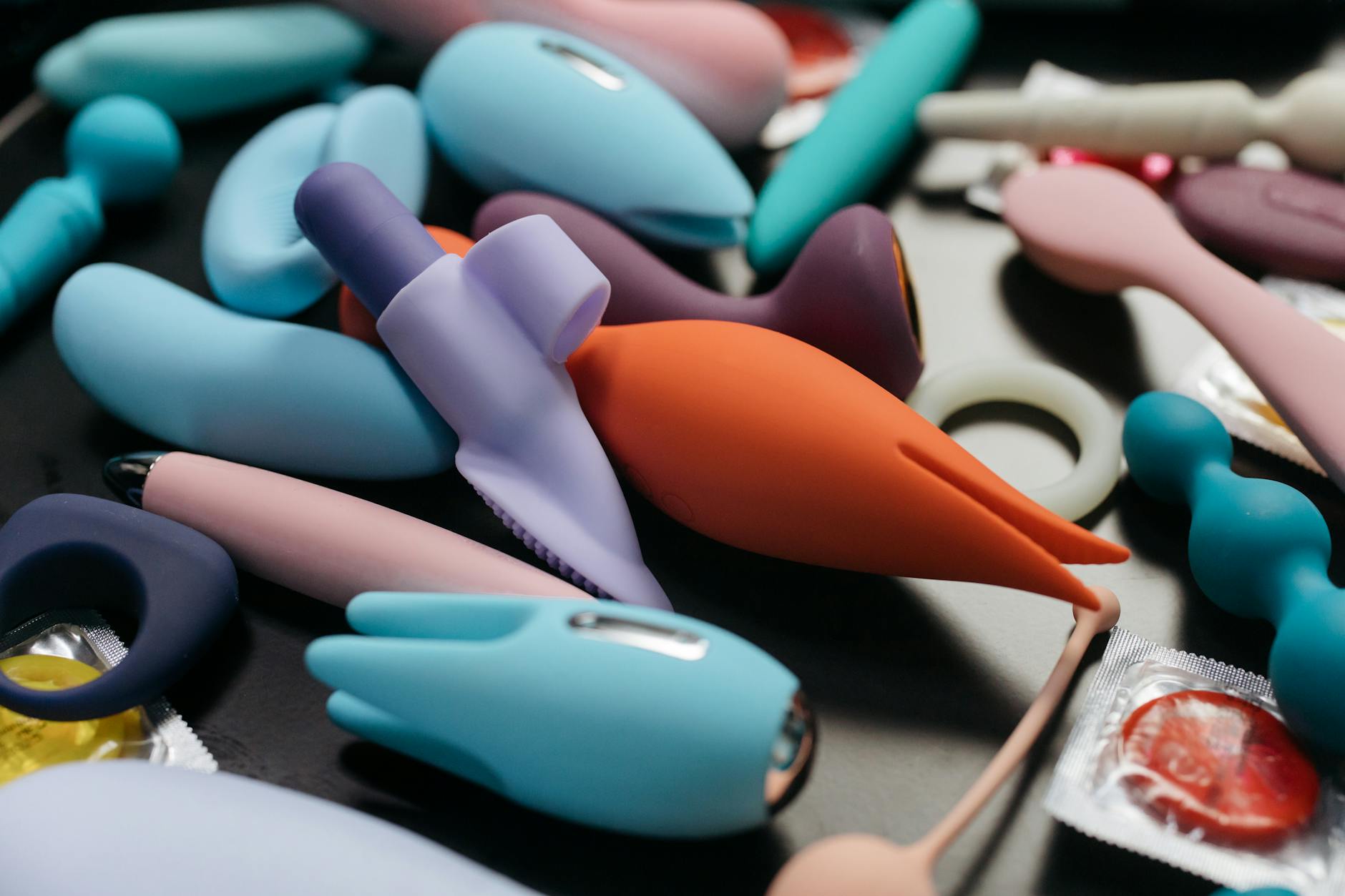
Most couples think of foreplay as a warm-up act. Something you do before the main event. But what if the main event is pleasure itself, and penetration isn't part of the plan at all?
That shift in thinking is where lemon vibrators change the game. Clitoral vibrators like The Lem aren't supporting players. They're the solo performer. And when your partner is interested in extended foreplay without penetration, these toys become the centerpiece, not the novelty.
Honestly, you're not alone in this. Research on sexual health shows that roughly 40-50% of partnered interactions don't include penetration. Sometimes that's by choice. Sometimes pain, pelvic floor tension, or medical factors make it uncomfortable. Sometimes one partner wants stimulation the body can't provide through intercourse alone.
Here's what changes when you stop treating foreplay as a runway to penetration: pressure lifts. Both of you. Suddenly there's no destination, just the experience itself.
For many partners, this actually creates deeper intimacy. You're not performing a narrative. You're exploring sensation together. And that requires communication in a way that traditional sex sometimes doesn't.
Okay, so you want to bring this up. The hardest part isn't buying a toy. It's the first conversation.
Don't lead with "I want to use a vibrator." That sounds like a solo decision you're informing them about. Instead, frame it as collaborative curiosity.
Try: "I've been thinking about how we have sex, and I realized penetration isn't always what my body needs most. I'm curious whether we could explore that together. I found something I think could be really fun for both of us to try."
Notice what's happening there. You're naming the gap (penetration isn't enough). You're inviting them in (together). You're expressing interest in them, not just yourself (for both of us).
Then listen. Really listen. Your partner might feel relieved. They might feel uncertain. They might worry it means something's wrong. None of those reactions are wrong. They're data.
If they seem hesitant, ask why. "Does it feel like I'm not attracted to you anymore?" "Are you worried you won't enjoy it?" "Does it feel like you're being replaced?" Those conversations, uncomfortable as they are, build the kind of trust that makes shared pleasure actually work.
Not all vibrators are built the same. Traditional vibrators use rhythmic buzzing. They're intense, direct, and often feel best when used alone. Lemon clitoral vibrators, by contrast, use gentle suction and pulsing patterns that mimic the way the clitoris actually responds to touch.
What does that mean for foreplay without penetration? Everything.
A suction-based vibrator like The Lem creates a conversation between your body and the toy. You can use it together at different speeds. Your partner can explore what feels good on you in real time. You can build intensity slowly, which is exactly what extended foreplay without a penetration goal requires.
The toy becomes a shared tool, not a solo device. That's not a small distinction.
Let's get practical. Here's what the choreography actually looks like:
Start clothed. Seriously. Use the vibrator over underwear or fabric for the first few sessions. This removes the pressure of full exposure and lets you both get comfortable with the sensations without the mental load of "what comes next."
Begin at the lowest setting. Most people go too fast too early because they assume intensity equals pleasure. You're looking for sensitivity, not stimulation overload. A lemon clitoral vibrator on pattern 1 or 2 is a completely different experience than patterns 5 or 6.
Your partner can use it on you, or you can guide their hand. There's no rule here. What matters is that you're both awake and present. Ask for feedback in the moment. "Does this feel good? Harder, softer, faster, slower?" That real-time conversation is the whole point.
When you want to intensify, do it gradually. Switch patterns. Move to a different area. Add manual touch. Build arousal over 20-30 minutes instead of 5. This is not a race.
Some partners worry that introducing a toy means they're not enough. That's the ghost in most conversations about this. Address it directly.
You might say: "This isn't about you not being able to pleasure me. Your hands, your mouth, your body already do that. This is about exploring together. It's not instead of you. It's alongside you."
Other partners feel emasculated or like they're being replaced. That's rooted in outdated ideas about sex, but the feeling is real. Show them how the toy enhances what you two do together, not substitutes for it.
If they're not interested yet, don't push. Plant the seed and move on. Sometimes people need time to sit with the idea. Check back in a few weeks. "I've been thinking about what we talked about. Are you curious to try it?"
If you're introducing this in a newer relationship, the stakes feel higher because you're still figuring out who this person is in your life. They don't have years of data that you're a solid partner. They might wonder if toys are always part of your dynamic.
In this case, be even more explicit about your intentions. "I want to be honest about what I enjoy and what my body needs. That includes exploring different kinds of stimulation together. I think that's part of building real intimacy."
You're modeling the kind of vulnerability and honesty that actually builds trust. Most people find that attractive.
Some couples move into this as their main way of having sex. It's not a stepping stone. It's the destination.
If that's you, let it be. No apologies necessary. You might even find that your understanding of pleasure, your partner's pleasure, and what counts as "real" sex expands in ways that feel liberating.
Lemon clitoral vibrators make this sustainable. They're designed to be used regularly without discomfort. They're quiet. They're responsive to subtle adjustments. They don't require the physical stamina of penetrative sex. For couples with age gaps, physical limitations, or mismatched desires around penetration, this becomes not a workaround but a genuinely better option.
Here's what I see in my practice over and over: the first time a couple uses a vibrator together without the penetration expectation, something releases. Both of you stop performing. Both of you become curious instead of anxious.
You discover that your body responds to different stimulation than you thought. Your partner learns your body in a new way. And you both realize that sex doesn't have to follow a script to be good.
That's the real gift of introducing lemon vibrators into foreplay without penetration. It's not about the toy. It's about permission. Permission to want what you want. Permission to ask for it. Permission to explore together without a predetermined ending.
Start by understanding what the threat feels like. Is it that they worry they can't give you that sensation? Is it that they associate toys with infidelity or lack of interest in them? Once you know the root, you can address it. Reassure them that clitoral stimulation enhances your experience with them, it doesn't replace their role. Some couples find it helpful to frame the vibrator as something that works with their touch, not instead of it. You might also explore using the vibrator during partner sex in other ways, so it's integrated into your dynamic rather than separate.
Acceptance of awkwardness is actually the shortcut here. Say: "I want to talk about something, and it might feel a little awkward, but I think it's worth it." Naming the awkwardness removes the surprise. You're giving them permission to feel weird about it too. Then just be straightforward and curious, not apologetic. Your tone matters as much as your words.
Completely normal, and actually ideal for many couples. If your partner enjoys the active role and you enjoy receiving focused stimulation, that's a great division of labor. It also keeps them engaged and present rather than passive. Some couples rotate. Some couples do what feels natural each time. There's no rule. Do what works for you.
That's a great option. External stimulation during penetration intensifies sensation for many people. You can use a lemon vibrator alongside penetration. Some people find it actually reduces discomfort during penetration because the body is more relaxed and aroused. This is totally workable and doesn't require a separate conversation. It's just expanding the toolkit.
There's no frequency rule. Once a week. Once a month. Every time. Some couples use them occasionally. Some couples have moved to vibrator-focused intimacy as their primary way of connecting. There's no "normal." Pay attention to what feels good for both of you over time. If one partner is initiating way more than the other, that's worth checking in about.
Foreplay without penetration is a totally valid place to stay indefinitely, but if penetration is the eventual goal for both of you, lemon vibrators can actually be helpful in that transition. Extended arousal and pelvic floor relaxation from vibrator use can make penetration more comfortable when you're ready. Take your time. There's no timeline here. When both of you feel ready, you'll know. And the fact that you've built comfort with shared pleasure first? That's actually the best foundation.
Introducing lemon vibrators when your partner wants foreplay without penetration isn't about fixing something. It's about clarifying what you both actually want and building intimacy around that. The conversation is the work. The vibrator is just the tool that makes the work feel good. Start with honesty. Listen without defensiveness. Explore together. The rest follows naturally.