You used to turn yourself on in five minutes. Now it takes twenty. Or thirty. Or honestly, sometimes it feels like it's not happening at all until you've been at it for a while. That's not a glitch. That's aging.
Here's what I see in my practice: people in their 40s, 50s, and beyond often feel like something's wrong because their arousal pattern changed. The truth is simpler and less scary. Your body is still capable of intense pleasure. It just needs a different approach now.
First, the nervous system becomes more selective about what triggers arousal. When you were younger, almost anything could spark it. Mental images alone could get you there. Now, arousal tends to need more context, more touch, more time for the brain and body to sync up. This isn't dysfunction. It's specificity.
Second, blood flow and tissue responsiveness slow down slightly. The clitoris still has the same nerve density, but it takes longer for blood to engorge the tissue. That means external stimulation needs either more time or more concentrated stimulation to build sensation effectively.
Third, your mind often gets louder. By midlife, you've accumulated decades of life noise. Work stress, relationship dynamics, body image concerns, and life transitions take up mental real estate. Your brain has to quiet that chatter before arousal can land.
None of this means you can't have explosive, satisfying orgasms. It means the path there has changed.
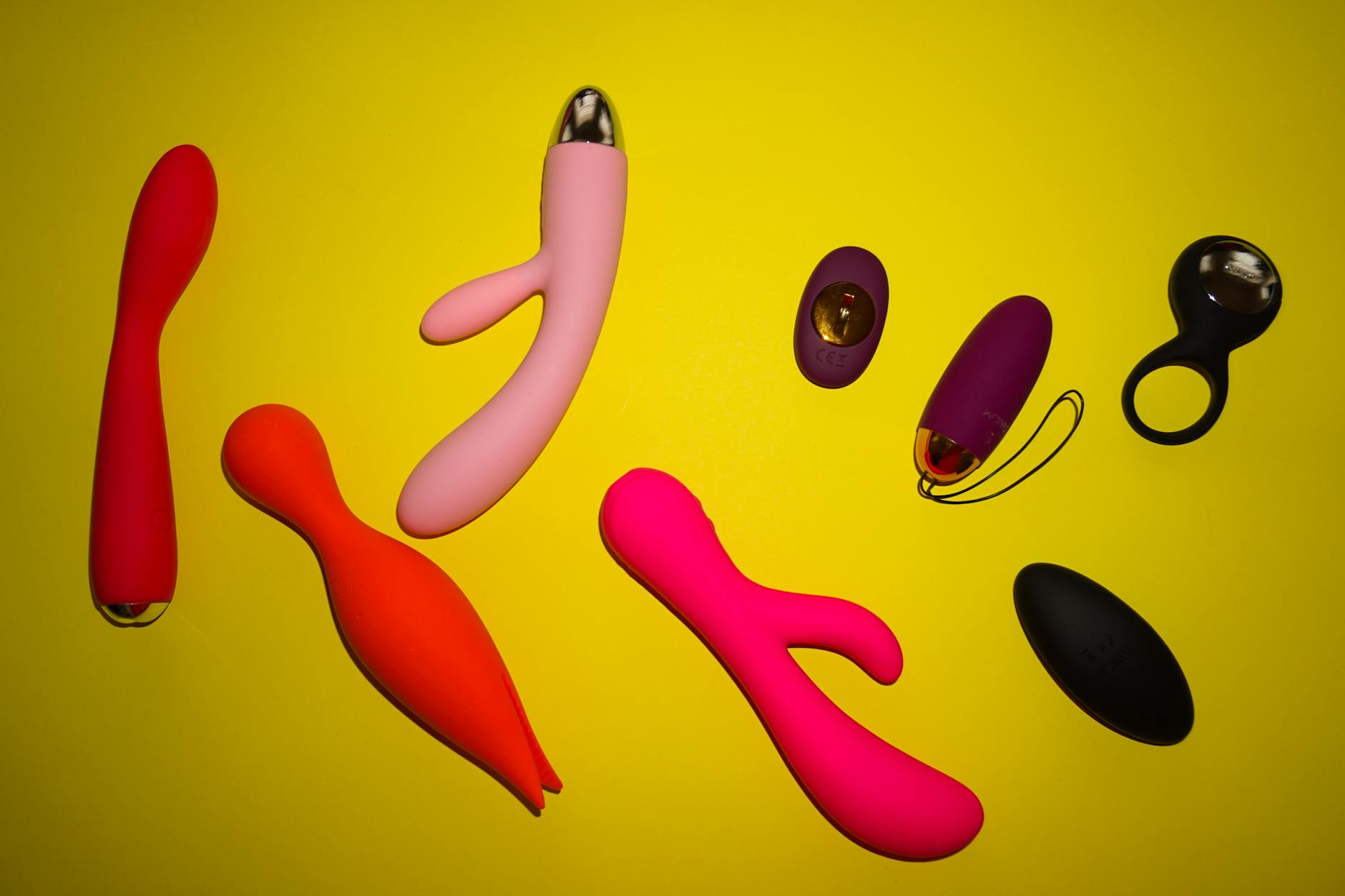
Lemon clitoral vibrators like The Lem are uniquely suited to this shift for three specific reasons.
First, air-suction stimulation works at a different frequency than vibration. Traditional vibrators buzz at a set rate, which means you have to build tolerance and chase sensation. Air-suction (also called suction vibrators) creates a gentle pulse pattern that doesn't numb with repetition. Your body can actually feel the sensation intensify over time instead of flatlining after three minutes.
Second, suction doesn't require the same initial arousal level to feel good. Because the sensation is broader and gentler than direct vibration, you can start using it even when you're just beginning to feel interested. Many clients tell me they start at a low setting while they're still "thinking about it" and by the time they're actually aroused, they've already been building sensation for ten minutes. The stimulation does some of the work your body used to do faster.
Third, the variety of patterns prevents boredom and sensation numbing. If you're spending 20 to 30 minutes on arousal now, you need a tool that offers enough variation to keep sensation fresh. The Lem's multiple patterns mean you're not doing the same thing for the entire session. You can shift intensity and pattern as arousal builds, which mirrors the natural progression of your body's response better than a single-speed vibrator.
When arousal takes longer to build, the environment and approach matter more than they used to.
Start with intention before you start with touch. Spend five to ten minutes removing mental clutter. This doesn't mean meditation or breathing exercises (unless you like those). It means putting your phone in another room, setting a "do not disturb" window with your partner or household, and maybe scrolling through something that gets you mentally interested. Read something spicy. Look at images that appeal to you. Get your brain oriented before your body needs to follow.
Use lubrication from the start, even if you don't feel like you need it yet. Water-based lubricant reduces friction and makes sensation smoother, which is especially helpful when using suction vibrators on tissues that take longer to produce natural lubrication. This removes a barrier and lets you focus on sensation instead of discomfort.
Start with lower pattern settings and give each one five to ten minutes before you move up. The temptation is to jump to maximum intensity because you're impatient with the timeline. Resist it. Lower settings allow sustained sensation buildup. Your body will tell you when it's ready to go higher.
If you're newly dealing with longer arousal windows, here's a framework that works.
Minutes 1-5: Mental warm-up with light external touch (hands, partner, or starting at pattern 1 on your lemon vibrator). This is the "checking in with your body" phase. No pressure for anything to happen.
Minutes 6-15: Sustained lower pattern use. You're building sensation and letting your nervous system recognize what's happening. Stay here until arousal starts to feel obvious, not just possible.
Minutes 16-25: Increase pattern intensity or switch patterns. Your body is engaged now. Variation prevents numbing and keeps sensation interesting.
Minutes 26+: Move to your preferred high-intensity setting or stay with what's working. You're in the actual pleasure phase now. This is where most people used to start.
The shift in perspective matters: you're not waiting for arousal to happen. You're building it. That's active, intentional, and totally within your control.
If you're partnered, this timeline shift can create friction if you don't address it directly.
Your partner might interpret the longer arousal window as loss of desire for them. It's not. It's a shift in how your nervous system operates. The clearest move is to separate the conversation from the moment. Talk about this when you're clothed and not about to have sex. Say something like, "My body's timeline has shifted, and I want to be transparent about that. I still want you. I just need more time to build arousal now. Here's what helps." Then show them during a session.
Some partners find it really sexy to be part of extended foreplay. Others feel performance pressure when the timeline stretches. Both are valid. The key is naming it so you're not both interpreting silence as rejection.
Many couples find that the partner uses a lemon vibrator during foreplay while the other partner provides touch, conversation, or their own stimulation. This means arousal is building in parallel instead of one person waiting. It shifts the energy from "hurry up and get there" to "let's build this together."
Here's the uncomfortable truth: most of us learned that fast arousal equals good arousal because that was the cultural default when we were young. Fast meant you were into it. Slow meant something was wrong.
That's backward for most people in midlife and beyond.
Slower arousal often means more intense orgasms because you've spent longer building nerve activation and mental focus. It means you're more likely to experience multiple sensations because you're not rushing. It means your body and mind are more aligned because you've had time to settle into the experience.
The mental shift is: you're not trying to speed up. You're trying to deepen.
If arousal is missing entirely, not just slower, that's different. Lemon vibrators can help with slow building, but they're not a solution for zero arousal. That's worth discussing with a doctor or therapist, depending on what's underneath.
Similarly, if longer arousal time is connected to lower desire overall, or if it's frustrating your partner to the point of conflict, talking to a couples therapist is worth it. I can help you untangle whether this is a body change, a relationship change, or both.
But if this is what aging actually feels like for you? That's not a problem. That's just your body doing what bodies do. And with the right tool, the right information, and the right mindset, it can be even better than before.
Multiple factors stack together. Blood flow responds more slowly. The nervous system becomes more selective about triggers. Stress and life circumstances take mental bandwidth. Hormonal changes affect response time. None of it means your capacity for pleasure is diminishing. It means the process has shifted. A lemon clitoral vibrator bridges that gap by providing consistent, varied stimulation that doesn't depend on your body's speed to build sensation.
They do both. The suction action on the clitoris encourages blood flow and nerve activation more efficiently than some manual techniques, which means arousal can build faster than it would with hands alone. But beyond that, they remove the pressure of performance. You're not "waiting" for your body to cooperate. You're actively building sensation. That mental shift often accelerates the whole process.
Completely normal. Your body changed. Your tool can change too. This doesn't mean anything is broken about you. It means you're working with your body's reality instead of fighting it. The same way you might need glasses now that you didn't at 25, you might benefit from a lemon vibrator now that you didn't years ago. That's just adaptation.
There's no universal timeline, but if you used to need five minutes and now you need 20 to 30, that's common and expected. Some people need longer. The goal isn't to get back to five minutes. The goal is to build arousal in a way that feels good and reliable. That might look like 15 minutes with a lemon vibrator plus partner touch. That might look like 25 minutes solo with a suction vibrator. Whatever is sustainable and satisfying is the right answer.
No. Some people use them every time. Others use them sometimes. Some use them solo and different tools with partners. There's no rule. Pay attention to what makes arousal feel easy and enjoyable. That's your baseline. Everything else is optional.
Conversation first. Many partners feel less left out when they understand what's happening and why. Some want to use the vibrator on you. Some want to focus on other kinds of touch while you use it. Some want to use their own toy alongside. The isolation happens when you're not talking about it. The connection happens when you're collaborative.
Your body at 45 or 50 or 60 is not your body at 25. That's not sad. That's just true. And once you stop fighting that reality and start working with it, pleasure often deepens instead of diminishing.
Lemon vibrators are one practical tool that helps bridge the shift. But the bigger tool is permission. Permission to need more time. Permission to use a toy. Permission to let arousal build differently than it used to. That permission, more than the vibrator itself, is what changes everything.
If you're navigating these shifts in your relationship, the conversation deserves space and care. Reach out if you'd like support working through how to talk about this with your partner.