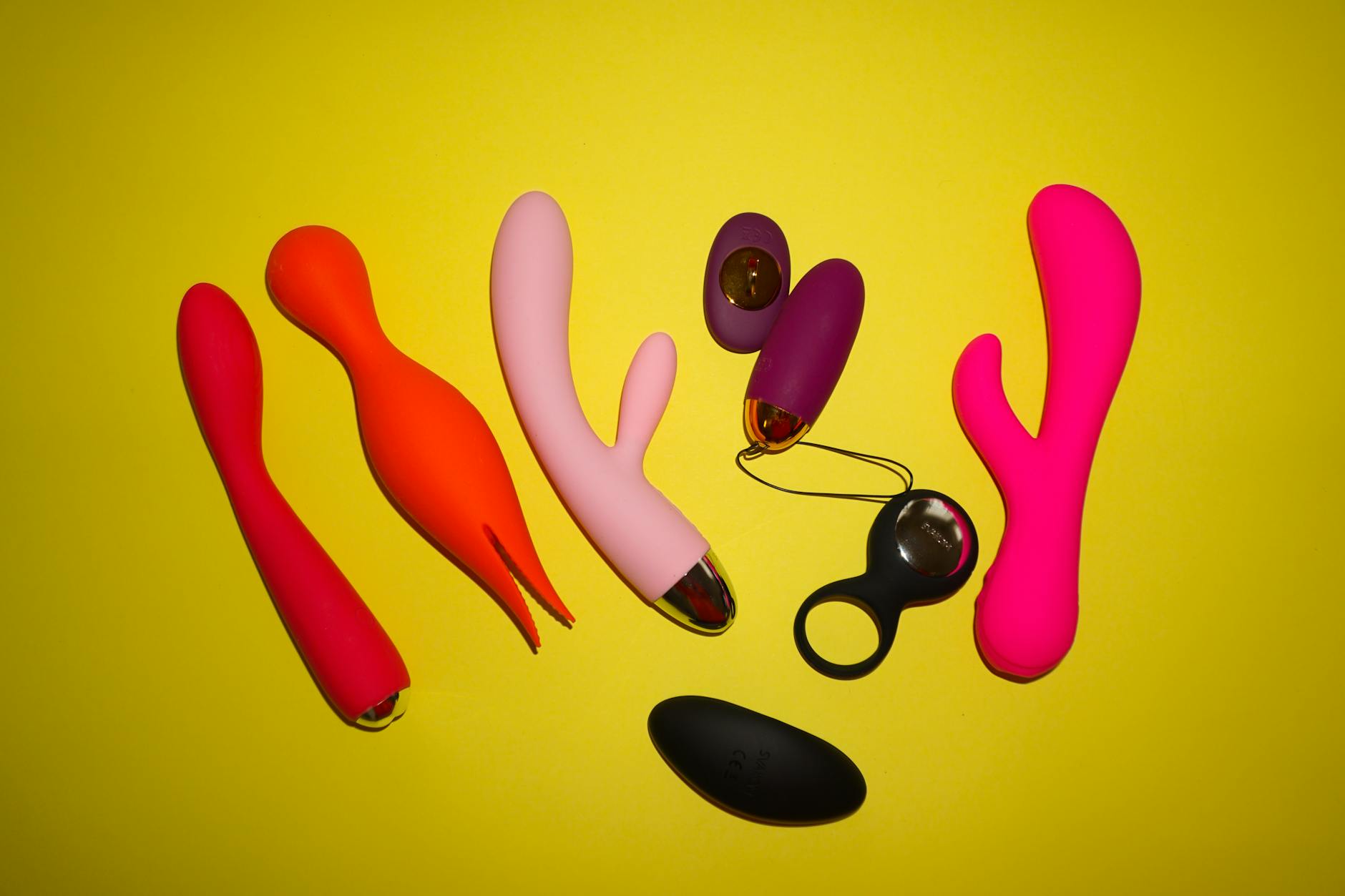
When your body wakes up again
Let's be real. Low libido lasting years doesn't feel like a phase. It feels permanent. You stop expecting desire to return. You plan your life around its absence. Then one day, something shifts. A touch lands differently. A thought sticks. Your body remembers it's capable of wanting. And suddenly you're standing at the entrance of something you'd written off entirely.
The confusion is real. You're not the same person who had desire before. Your body might have changed. Your relationship might have shifted. Your brain absolutely has—years of suppressed interest rewire how arousal feels. Coming back to pleasure after a long pause isn't a simple return to the starting point. It's a new beginning that requires patience, gentleness, and honest attention to what actually feels good now.
Lemon clitoral vibrators offer something particularly useful during this reawakening: consistent, manageable stimulation that doesn't demand anything from you except showing up. They're tools that let you take the lead entirely, restart sensation at your own pace, and rebuild confidence in your body without pressure.
Why desire disappeared and why it's different coming back
Low libido lasting years typically roots in one or more of these: depression, burnout, relationship disconnection, medication side effects, hormonal shifts, or straight-up exhaustion. Often it's a combination. The body learns to not want as a protective mechanism. Over time, the neural pathways for arousal get quieter. Not dead. Just quiet.
When desire returns, your brain and body have had years to reorganize. Your sensitivities might be different. Your turn-ons might surprise you. What used to work might feel boring or jarring now. This isn't failure. It's your nervous system telling you it's ready to renegotiate the terms.
The advantage of clitoral vibrators during this phase is straightforward: they bypass the ambiguity. You're not waiting to feel something spontaneous. You're directly stimulating nerve-dense tissue that doesn't require desire to wake up first. The sensation comes first. Desire often follows. This reversal of the old pattern can feel permission-granting in a way partner sex doesn't offer.
Starting with lemon vibrators when sensation feels fragile
If you haven't touched yourself in years, or touch has felt numb and disconnected, here's what matters: your clitoris hasn't forgotten how to feel. Tissue doesn't lose that capability. But your relationship to sensation might need a gentle reintroduction.
Start with the lowest settings. If you've never used a clitoral vibrator before, begin with a toy like the Lemon Clitoral Vibrator on pattern 1 or 2, applied indirectly (through underwear or fabric, not directly on bare skin). Indirect stimulation lets you control intensity while you're rebuilding the connection.
Many people report that after years of low libido, the first sensations feel almost overwhelming. That's not unusual. Your nerve endings are waking up. They're exquisitely sensitive right now. Respect that rather than pushing through it. Five to ten minutes of gentle, indirect stimulation is enough for the first week. You're not chasing orgasm. You're teaching your body that pleasure is available again.
The psychological piece matters as much as the physical one. Every time you make this small time for yourself, you're sending a message to your nervous system: "You're worth tending to. Pleasure is worth protecting." That belief shift rebuilds faster with consistency than with intensity.
Using vibration to rebuild arousal response
After a few sessions of low-intensity exploration, you can begin experimenting with what actually engages you now. This is detective work. Some people find they need longer warm-up time than before. Others discover they want different kinds of stimulation entirely. Both are completely normal.
With a lemon adult toy on a moderate setting, explore rhythm. Some people rediscover arousal through slow, repetitive patterns (think pattern 1 or 2 repeated for ten minutes rather than cycling through modes). Others need variation to keep their nervous system interested. Notice which one you are without judgment.
If you're partnered, this is solo work initially. You're rebuilding your own arousal map before inviting someone else to navigate it. Once you understand what your body needs now, that information becomes a gift to your partner. You're no longer guessing or apologizing for what doesn't work. You're offering specificity.
The lem vibrator (or similar lemon clitoral vibrators) works particularly well for this phase because the pattern variety lets you shift stimulation without starting over. You're not picking up a different toy. You're adjusting on the same tool, which keeps the nervous system in a slower, more meditative space.
Rebuilding confidence when you've doubted your body
Years of low libido often come tangled with shame. You might have internalized the belief that your body is broken, unresponsive, not worth desire. Those beliefs don't evaporate the moment libido returns. They linger. They show up as doubt, as rushing, as apology.
Using lemon sexual toys with intentional slowness is an act of reparenting your own nervous system. You're demonstrating through action that your body matters. That sensation matters. That pleasure is worth time and attention.
Here's a practice: Set a timer for 20 minutes. Not to orgasm. Just to feel. Use your clitoral vibrator on a setting that feels good, not overwhelming. If your mind wanders to guilt or doubt, notice it and come back to sensation. The goal is to build neural evidence that your body can feel, can enjoy, can want. Repetition rewires.
Many people find that confidence rebuilding happens sideways. You're not trying to believe in your body. You're just repeatedly choosing to spend time with it. The belief changes as a side effect.
The role of orgasm in early reconnection
Here's the thing nobody tells you: you might not have an orgasm for a while after desire returns. That's not a failure. It's actually protective. Your body is relearning how to be stimulated. Orgasm is the advanced stage of that conversation.
If orgasm happens, wonderful. If it doesn't, that's fine too. The goal during this phase isn't orgasm. It's sensation. Pleasure. The quiet knowledge that your body can feel good without needing to perform anything.
Many people find that orgasms return gradually, starting with faint sensations that barely register, then building. Using a lemon vibrator on consistent, moderate settings can help. You're not chasing climax. You're providing steady stimulation while your body remembers what building arousal feels like.
If you find yourself frustrated, step back. Frustration is your nervous system's way of saying you've shifted back into goal-oriented pleasure, which is the opposite of what rebuilding requires. Return to sensation without expectation.
Reintegrating pleasure with a partner
Once you've spent time alone rebuilding your own arousal, partnered play becomes a conversation rather than a demand. You know what you need. Your body has evidence of its own capacity. That foundation changes everything.
Bring lemon clitoral vibrators into partnered play slowly. Some people use them solo while a partner is present, which maintains the autonomy you've rebuilt. Others enjoy a partner helping with stimulation. Both are valid. The key is that you're still in control of intensity, speed, and when things shift.
Many couples find that toys create space for actual conversation during sex. "This setting works" or "I need to slow down" becomes easier to say when a toy is involved, because the toy becomes the thing being adjusted rather than the relationship being critiqued.
If you've been distant from your partner during years of low libido, pleasure might initially feel loaded. Like you're supposed to make up for lost time, or fix the relationship through sex. You're not. You're just exploring what your body enjoys now. Everything else follows from that.
What to watch for as sensation returns
Hypersensitivity isn't uncommon in the first months. Your nervous system might feel overstimulated by things that used to be neutral. That settles. But while it's happening, trust it. Dial intensity down if you need to. Your body is recalibrating.
Also notice emotional responses. Sometimes pleasure reconnection brings up unexpected grief, anger, or tenderness. That's your nervous system processing the time that passed. Let it be there. You don't need to fix it or understand it fully.
If pain appears during stimulation, stop and get checked by a provider who's experienced with sexual health. Pain is real data. Don't push through it expecting it to resolve on its own.
Lastly, remember that this return to desire might not be linear. Some weeks you'll feel more interested. Some weeks you'll feel the old absence creeping back. That's normal. The difference is that now you know desire can return. You have evidence. That changes everything.
FAQ: Rebuilding pleasure after prolonged low libido
How long does it typically take for arousal to feel normal again after years of low libido?
There's no standard timeline, but most people notice significant shifts within 4 to 8 weeks of consistent, low-pressure exploration. Some take longer. The word "normal" can be misleading too. Your arousal landscape after the break might feel genuinely different from before, and that's not a problem to solve. It's just information about who you are now.
Can lemon vibrators help if I'm still on medication that affects libido?
Yes, absolutely. Medications like SSRIs can suppress desire while still allowing physical sensation. Clitoral vibrators provide direct stimulation that can bypass some of that suppression, letting you experience pleasure even when spontaneous desire isn't there. If the medication is the primary culprit, though, conversation with your prescriber about timing or dosage might also help.
What if using a vibrator feels awkward or wrong after so long without desire?
Awkwardness is just unfamiliarity. It passes. Start with 5 minutes. Next week do 6. You're rebuilding a relationship with your own body. That takes gentle, repeated practice. The awkwardness isn't a sign you're doing it wrong. It's exactly what rebuilding feels like at the start.
Should I tell my partner I'm using vibrators to rebuild arousal?
That depends on your relationship agreements, but most relationship experts recommend honesty. Keeping pleasure private can feel like protecting yourself, but it often deepens disconnection over time. A simple "I'm exploring what feels good to me right now" opens conversation rather than requiring oversharing. Your partner might surprise you by being relieved to have information about what helps.
Is it normal to feel emotional while using a lemon vibrator after years away from pleasure?
Completely normal. You're reconnecting with a part of yourself you'd written off. That can bring grief, joy, anger, relief—sometimes all at once. Emotions during solo pleasure don't mean something's wrong. They mean something's shifting. Let them move through without trying to fix them.
How do I know if low libido is returning or if I'm just going through the motions?
Real arousal has physical markers: increased lubrication, sensitivity to touch, faster heart rate, engagement with sensation rather than clock-watching. If you're using a vibrator and watching the clock, you're probably still in mechanics mode. That's fine for the first month. But if it continues beyond that, it might be worth checking in with a therapist. Sometimes low libido has deeper roots that vibrators alone won't shift.
The Lemon Pleasure Toys exist to serve exactly this moment. When your body is ready to feel again. When you need a tool that's consistent, judgment-free, and entirely in your control. Your return to desire matters. Your pleasure matters. Welcome back.