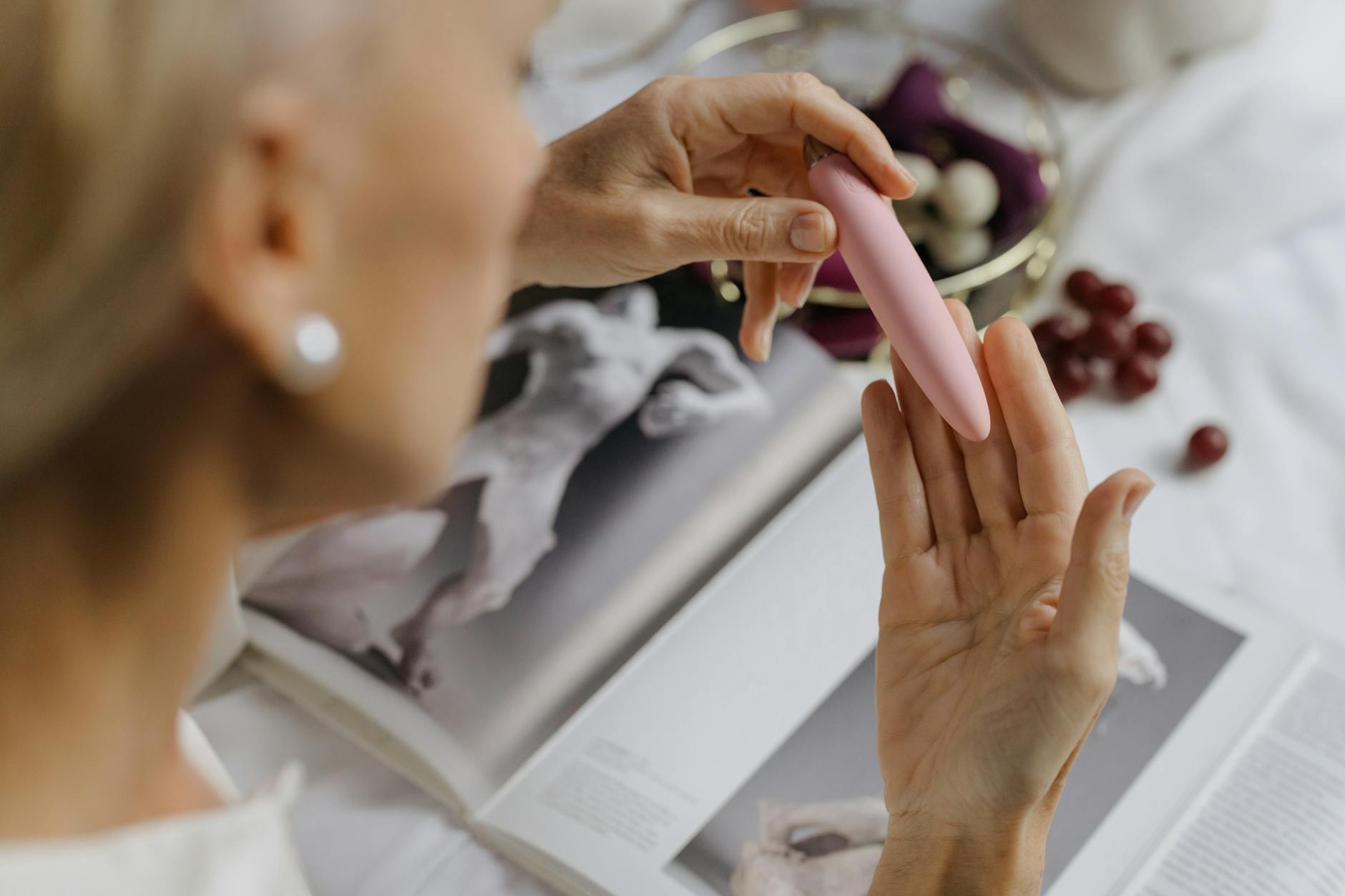
How to Use Lemon Vibrators When Hormonal Changes Make Sensation Feel Different
Your body isn't broken. Hormones shift how sensation registers. Here's what changes, what stays the same, and why lemon clitoral vibrators work so well during transition periods.
Let's be real: your body isn't the same at 35 as it was at 25. Or at 45. Or at 55. Hormonal fluctuations don't just affect your mood or energy. They change how your nervous system registers touch, how quickly arousal builds, and what kind of stimulation actually lands.
When estrogen fluctuates or drops, several things happen to your clitoral tissue and surrounding nerves. The tissue becomes thinner and more delicate. Blood flow to the area changes, which affects how quickly you get aroused. Your sensitivity threshold shifts. Sometimes sensation feels muted. Sometimes it feels too intense.
But here's the part nobody tells you: your capacity for pleasure doesn't disappear. Your clitoral nerve density stays the same. Your brain's ability to process pleasure doesn't fade. What changes is the route pleasure takes to get there.
Many people notice that during hormonal transitions, traditional vibrators feel less effective because they rely on direct, sustained pressure. Lemon clitoral vibrators work differently. They use suction and gentle pulsing patterns instead of relentless vibration, which means they stimulate the clitoral complex without requiring the same tissue resilience.
It's not that you're broken. It's that your nervous system needs a different entry point.
The clitoris is mostly internal. What you see is just the glans. During hormonal transitions, the tissue around and above the glans becomes more reactive to gentle pressure changes than to direct friction.
Lemon vibrators use air-suction technology that creates a pattern of gentle release and suction rather than constant vibration. This stimulates a larger area of the clitoral complex at once, which means you're engaging more nerve endings with less direct pressure on sensitive tissue.
The effect: arousal builds more smoothly, sensation feels less overwhelming, and orgasms often come more easily because you're not fighting against your body's current threshold.
Plus, different intensity levels matter more during hormonal shifts. You might find that pattern 1 or 2 on a suction device does what pattern 5 used to do on a traditional vibrator. Lower intensity doesn't mean less pleasure. It means more sustainable sensation.
Here's what I recommend to people working through hormonal transitions:
Start lower, build slower. If arousal used to peak in 10 minutes, budget 20. Your nervous system isn't lazy. It's just processing differently. Longer warm-up isn't failure. It's alignment.
Layer sensation. Don't jump straight to the lemon vibrator. Spend time with touch first, maybe with a partner or solo, without any device. Let your body remember what arousal feels like when you're not forcing it. Then introduce the toy once you're already building.
Experiment with positioning. During hormonal shifts, angle matters more. Some people find that approaching the clitoris slightly off-center, from the side, or with the device tilted feels better than direct contact. With a lemon clitoral vibrator, you can experiment with light contact, full contact, and angles because the suction itself does a lot of the work.
Use more lubrication. Thin tissue benefits from it, even if you're naturally lubricating. Water-based lube makes everything glide better and reduces any friction you might otherwise feel. It's not a sign something's wrong. It's adaptation.
Check in with intensity gradually. A lemon vibrator's pattern 1 is genuinely gentle. If that's where you land right now, that's your actual sweet spot. Don't feel like you need to work up to the highest settings. Pleasure is the goal, not conquest.
Hormonal transitions aren't permanent free-fall. They're shifts. Depending on what's driving the change—birth control switches, perimenopause, postpartum recovery, medication side effects—your sensation and arousal pattern will eventually stabilize into a new normal.
That new normal is often actually better. More intentional. Less reactive. More sustainable.
Meanwhile, lemon adult toys work well because they don't require your body to meet them halfway. They're designed to work with delicate tissue, variable arousal timelines, and lower sensitivity thresholds. You're not fighting physics. You're working with it.
Many people I've worked with report that once they stopped trying to force their current body to respond like their old body, pleasure actually improved. The pressure lifted. Sensation became something you could explore rather than something you had to perform.
Here's something rarely discussed: hormonal shifts often arrive with emotional baggage. If you're in perimenopause, you might be grieving a version of yourself that's aging. If you're postpartum, you might feel disconnected from your body. If you've switched medications, you might feel alienated from your own nervous system.
That mental component affects sensation just as much as hormones do.
Before you blame your clitoris for feeling different, ask whether your brain is actually present. Are you thinking about how long this is taking? Wondering if something's wrong? Comparing yourself to how you used to feel? All of that dampens sensation, regardless of your hormone levels.
When you use a lemon vibrator during a hormonal transition, slow down enough to actually feel what's happening in real time rather than what you expect to happen. Notice what intensity level feels genuinely good instead of what you think should work. That shift from performance to presence often unlocks more pleasure than any device adjustment can.
Yes and no. Your clitoral sensitivity will likely stabilize into a new pattern. Whether that feels "normal" depends on what you're comparing it to. Most people find that once they stop fighting the transition and start working with their current body, sensation actually feels richer, not diminished. It's different, not worse.
Absolutely not. This is actually when suction-based clitoral vibrators become most useful. The gentler, more gradual stimulation they provide works with your changing sensitivity threshold instead of against it. You might use it differently than before, but using it more intentionally often leads to better orgasms.
There's no fixed timeline. Some people adjust in weeks. Others take months. It depends on what's causing the shift. Postpartum hormonal recalibration is different from a birth control switch, which is different from perimenopause. Work with your current body rather than waiting for the old one to return.
Many medications flatten sensation or slow arousal. If you're in that camp, a lemon vibrator can help because it offers graduated intensity and multiple patterns. You can start very low and work up at your own pace without the pressure of traditional vibrators that feel like a binary on/off switch.
Completely normal. Longer arousal timelines aren't dysfunction. They're just how your nervous system is calibrated right now. If you're used to 10-minute warm-ups and now need 20, that's information, not failure. Use that time to build anticipation, not anxiety.
Very common. Hormones directly affect vaginal lubrication production. Water-based lube becomes your friend, especially with a lemon clitoral vibrator where you want smooth suction without friction. Having good lube on hand removes one variable so you can focus on sensation.
Hormonal shifts change your body's response pattern, not your capacity for pleasure. Lemon vibrators work so well during these transitions because they're designed to meet sensitive tissue and variable arousal curves where they are, not where they used to be.
If you're navigating a hormonal transition and sensation feels different, that's not broken. That's your body giving you information about what it needs right now. A lemon clitoral vibrator is a tool designed to honor that information and work with your current reality.
Your pleasure didn't disappear. The path to it just changed. And honestly? That path often leads somewhere better.