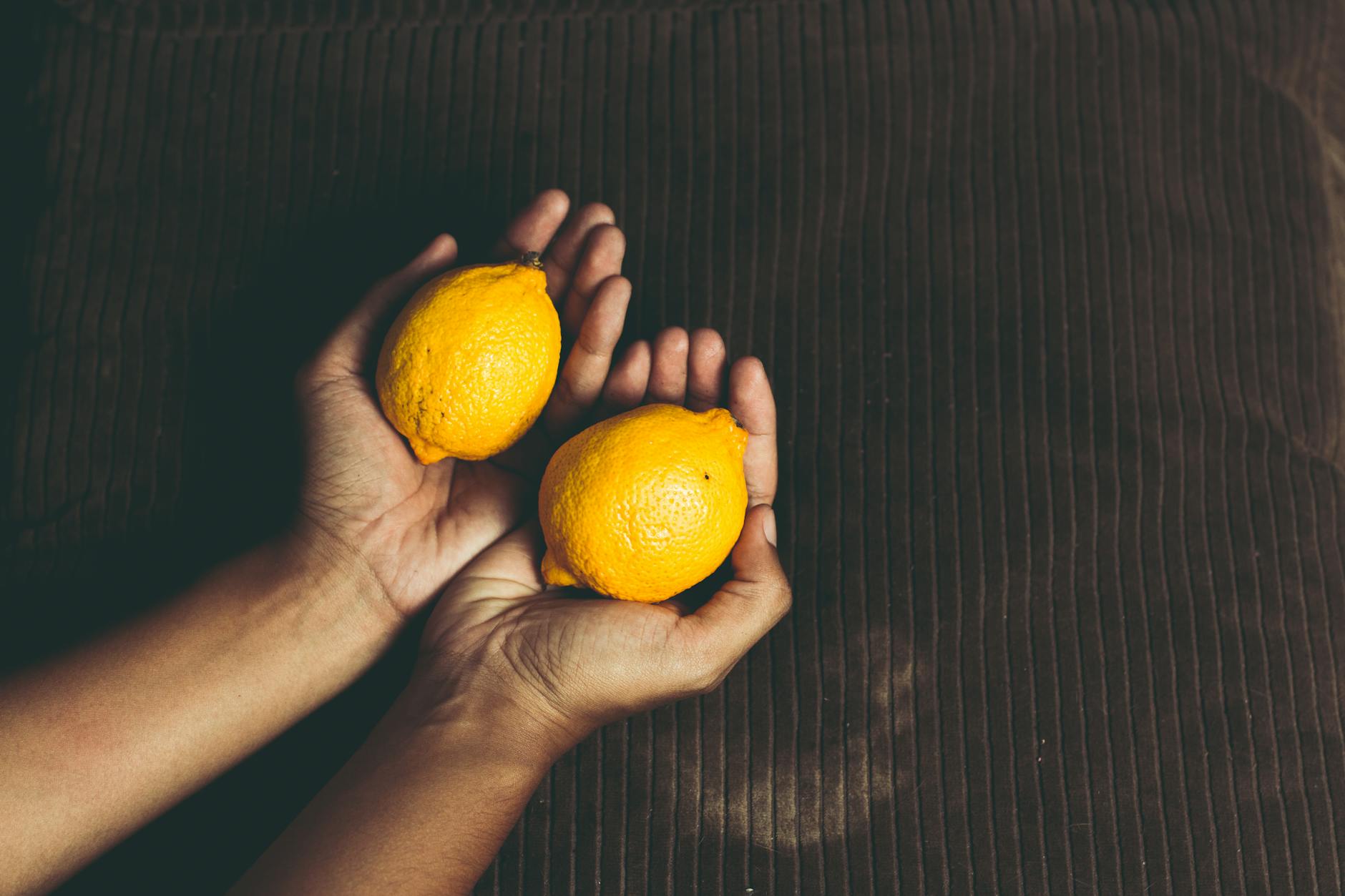
When your body feels like a stranger again
Let's be real. After a long illness, surgery, or health challenge, pleasure isn't the first thing on your mind. Survival is. Recovery is. Getting back to normal is. But here's what nobody tells you. Pleasure is actually part of normal. It's not a luxury to get back to after everything else is fixed. It's a signal that your nervous system is starting to feel safe again.
When you've been ill or hospitalized or dealing with chronic pain, your body learns to protect itself. Your nervous system goes into a kind of fortress mode. Touch feels different. Your clitoris might feel numb or oversensitive or just absent from your internal map entirely. Wanting something, even pleasure, can feel like an act of betrayal against the body that just let you down.
That's not weakness. That's what biology does. And here's the thing. It can absolutely shift again.
Why sensation often disappears after illness (and returns)
Three physical systems are at work.
First, the nervous system. When you're fighting an infection, recovering from surgery, or managing pain, your parasympathetic nervous system shuts down non-essential functions. Pleasure is non-essential from the body's perspective. So arousal takes a back seat. Blood doesn't redirect as readily to the clitoris. Lubrication doesn't happen the same way. This isn't permanent. It's your body doing exactly what it's supposed to do.
Second, medication side effects. Some antibiotics, pain relievers, antidepressants, and antihistamines genuinely reduce sensation or arousal. It's not in your head. If you're on multiple medications, talk to your doctor about whether any of them are known to affect sexual function. Sometimes switching or adjusting timing can help.
Third, deconditioning. If you've been bedridden or sedentary, your pelvic floor muscles have weakened just like every other muscle. This affects how sensation travels and how orgasm feels. The good news is the same as every other muscle. It responds quickly to gentle, consistent use.
The emotional piece nobody warns you about
Here's the part that's actually harder than the physical stuff. Your relationship with your body has changed.
You might feel disgust toward it. You might feel scared of it. You might feel angry that it didn't protect you or that it failed you or that it's taking so long to come back online. Some people describe a kind of profound loneliness inside their own skin.
That emotional reality is usually what keeps pleasure blocked more than anything physiological. Your body is literally capable of sensation again, but your mind is still in protection mode.
This is why easing back into pleasure with something like a lemon clitoral vibrator can be genuinely transformative. It's not because the vibrator is magic. It's because it puts you in control. You set the speed. You set the pressure. You decide when to start and when to stop. For someone who's spent months having their body managed by doctors and nurses and machines, that agency is profound.
Starting from zero and building again
If sensation feels completely absent, start here.
Week 1-2. Non-sexual touch only. Use a lemon vibrator on your arm, your neck, your collarbone. Let your nervous system relearn that vibration feels okay. Set the lemon clitoral vibrator to the lowest setting and just get curious. No agenda. No trying to feel something you don't feel yet. This is literally just reintroduction.
Week 3-4. Expanding the territory. Once your arm stops jolting at the vibration, try your inner thigh. Your lower belly. Still low setting. Still non-genital. You're building a map of sensation again.
Week 5-6. Light genital touch. When you feel ready, use the vibrator on the outer labia or the pubic mound, never the clitoris directly yet. Pressure and sensitivity around the area matter more than the clitoris itself at this stage. You might feel nothing. You might feel a vague awareness. Both are fine.
Week 7+. Direct stimulation, slow threshold. Only when you've spent two weeks on outer stimulation without flinching should you try direct clitoral contact. Start on setting 1. The lemon vibrator is perfect here because it has a range from whisper-gentle to intense. You can stay in the whisper zone until your body says "okay, more."
I know this sounds slow. It is slow. That's the point. Your nervous system has learned that your body isn't safe. Rushing this signals the same thing again. Patience signals safety.
When numbness stays and what to do about it
Sometimes sensation doesn't come back the way you expect. The area might stay numb or feel different permanently. That's not a failure. That's just new information about your body.
The surprising thing I see clinically. People who experience numbness often report some of their best orgasms ever because they stop trying to feel something specific and start exploring what does register. A lemon sucker vibrator works differently than a traditional vibrator because the suction focuses nerve stimulation in a narrower band. Sometimes that concentrated approach reaches sensation that broad vibration misses.
If numbness persists after three months of gentle exploration, talk to your doctor. Some conditions benefit from specific pelvic floor physical therapy. Some benefit from very brief topical anesthetics that actually increase sensation paradoxically. You're not broken. You just might need a specialist's input.
When your partner wants to help but it feels invasive
This is tender. Your partner might be excited that you're feeling better. They might want to jump back into the sexual dynamic you had before. Your body is saying "slow down, I'm still figuring this out."
You don't owe them access to your body while it's healing emotionally, even if it's physically healed. A lemon vibrator is useful here precisely because it's your tool, your pace, your timeline. Solo exploration first gives you the confidence to say to a partner, "I can feel this again. Here's what works for me now." That's entirely different from "I'm ready for you to touch me the way you used to."
When you do want to bring a partner back in, these strategies can help.
The hardest part is usually permission
Your body is okay with pleasure again, often sooner than your mind is.
You might feel guilty about wanting it when you're not fully recovered. You might feel like you should be grateful for survival and not ask for more. You might worry that caring about pleasure means you're not taking your health seriously anymore. None of that is true. Pleasure is part of health. Desire is part of recovery. Wanting sensation is your nervous system saying "I feel safe enough now to want things."
That's a profound signal of healing. Honor it.
When to bring a professional in
If numbness, pain, or complete absence of arousal continues beyond three months of gentle exploration, talk to a therapist who specializes in trauma recovery or a pelvic health physical therapist. Sometimes there's a physiological blocker that needs clinical attention. Sometimes there's a nervous system pattern that needs rewiring. Both are fixable.
If you're also dealing with depression, anxiety, or PTSD related to the illness, those absolutely affect your capacity for pleasure. That's not a reason to skip the pleasure part. That's a reason to work on it in parallel with therapy. Your body's reawakening and your emotional processing can happen at the same time.
FAQ
Can I use a lemon vibrator right after surgery or during active recovery?
Not during active healing. Your body needs to recover from the injury first. If you've had abdominal surgery, genital surgery, or are still bleeding or in pain, wait. Once your doctor says penetrative activity is okay, you can start non-genital exploration with a vibrator. Typically that's 4-6 weeks post-surgery for most procedures, but ask your surgeon about your specific situation.
Will pleasure come back exactly the way it was before I got ill?
Not usually. And that's not necessarily bad. Many people describe pleasure being more intense or more localized or requiring different stimulation after recovery. You're not broken. You've just got a different map now. Some people actually prefer their sexual response after illness because they had to rebuild it with intention rather than autopilot.
Is it normal to feel emotional during pleasure after illness?
Completely normal. Your body is processing a lot. Tears, laughter, relief, anger, or just needing to stop midway because something feels like too much. All of that is your nervous system integrating. You're not doing it wrong. You're doing the complex work of reconnection.
How do I know if something is a physical limit or just anxiety?
Pain is physical. Numbness that doesn't shift is physical. Tensing up, resistance, the urge to flee, that's usually anxiety. Here's the trick. Both need patience. You wouldn't push through physical pain. You also shouldn't push through the urge to flee. If your nervous system keeps saying "stop," listen to it. That doesn't mean you won't eventually want pleasure again. It means your nervous system isn't ready yet.
Can I use a lemon clitoral vibrator if I'm still on pain medication?
Yes, though some pain medications do reduce sensation. Talk to your doctor about timing. Some people take pain meds only at night and explore pleasure during the day when the medication is wearing off. You're not cheating the healing process. You're working with your body's rhythms.
What if I'm worried that wanting pleasure means I wasn't as sick as I thought?
You were as sick as you were. Pleasure is not a measure of recovery. Some people want it again at three weeks. Some at three months. Some at a year. All of it is valid. Your body isn't playing games with you. It's just following its own timeline for reintegration.
You don't have to rush this
Your body has been through something significant. It taught you how to survive. Now it's learning how to want again. That's not a speed run. That's a conversation between you and your nervous system, at whatever pace feels true. A lemon clitoral vibrator is just a tool in that conversation. The real work is the permission you give yourself to explore, to feel nothing for a while, and then slowly, incrementally, to want again. That's not selfish. That's resilience.