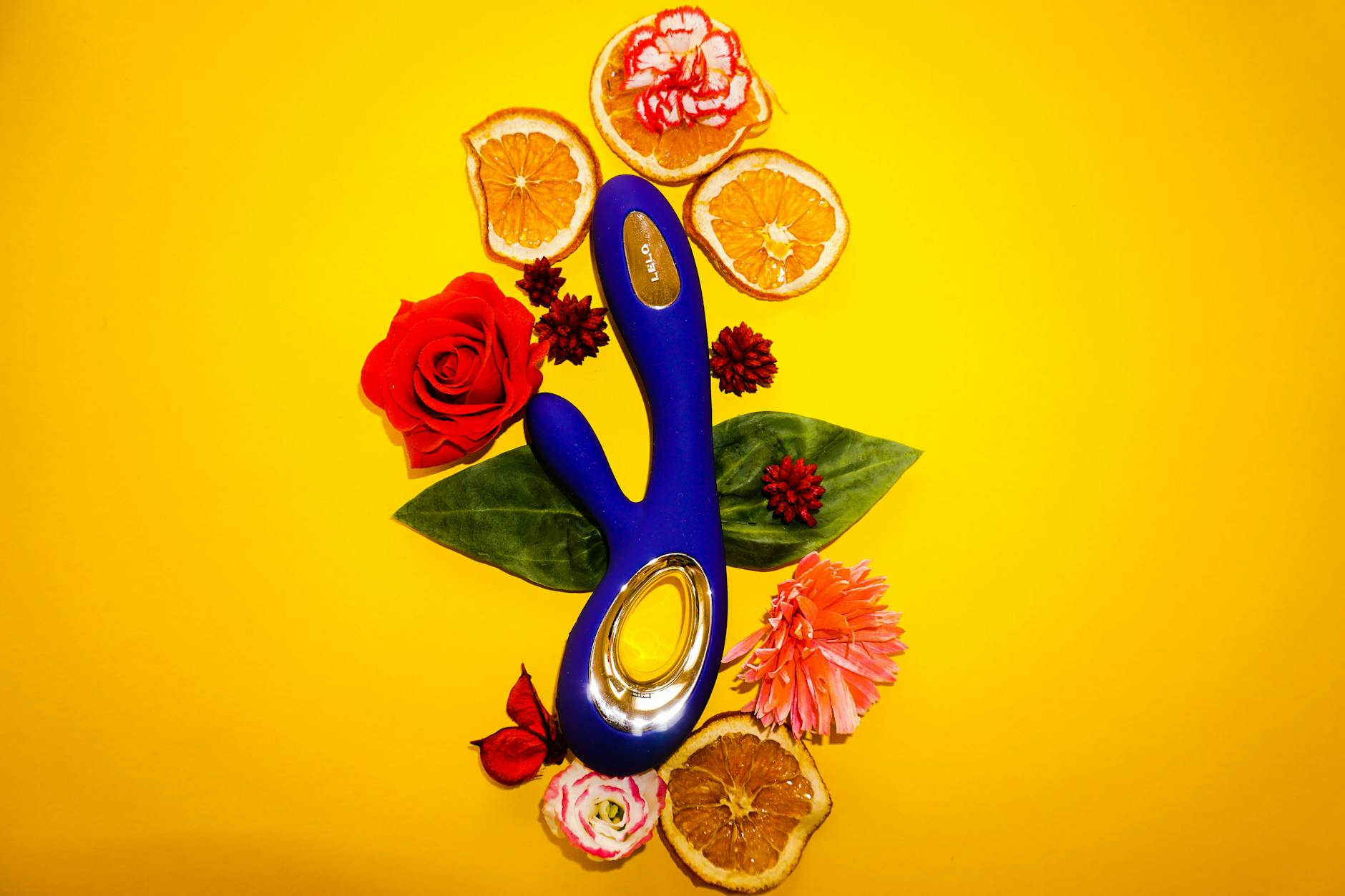
Let's talk about what birth control actually does to desire
You switch to a new pill, patch, or ring, and somewhere between week two and month three, you notice your body feels different. Maybe arousal takes longer to build. Maybe it doesn't show up at all. Maybe sensation feels muted, like you're experiencing pleasure through a glass wall. And honestly, nobody warned you this was coming.
Here's the thing: hormonal birth control is life-changing in the best ways. It gives you freedom, autonomy, and agency. But it also changes how your brain signals desire and how your body responds to touch. That's not weakness or dysfunction. It's biology, and it's fixable.
Why birth control changes sexual response
Most hormonal contraceptives suppress the hormonal peaks and dips that usually drive arousal. Your brain relies on small fluctuations of estrogen and testosterone to trigger desire signals. When you're on hormonal birth control, those fluctuations flatten out. You get stability. You also get, well, flatness.
Different methods affect you differently. The pill, patch, and ring tend to suppress testosterone more than longer-acting methods like the IUD. Some people feel the shift immediately. Others sail through months without noticing anything, then suddenly realize they haven't wanted sex in weeks.
The sensitivity change is separate from desire. Hormones influence blood flow to genital tissue and how quickly that tissue responds to touch. When estrogen dips below your personal set point, the clitoris can feel less reactive. Lubrication changes too. None of this means you're broken. It means your body is operating under different chemical conditions.
How lemon vibrators address hormonal flatness
Lemon clitoral vibrators like The Lem work particularly well when birth control has muted sensation because they don't rely on your body generating arousal first. They create external stimulation that your nervous system responds to, regardless of your hormone levels.
The air-suction technology in lemon sexual toys provides broad, gentle pressure that works differently than a traditional vibrator. Instead of requiring sensitive tissue to respond immediately, it builds stimulation gradually. You don't need to be naturally aroused to feel something. The toy does the heavy lifting while you focus on what's actually happening in your body.
This matters because when desire feels flat, you often need permission to feel pleasure without it being "supposed" to lead somewhere. A good clitoral vibrator gives you that. It's not foreplay. It's not building toward anything. It's just sensation, on your terms, without the pressure of your body performing.
The adjustment strategy that works
When birth control has changed your arousal patterns, the usual warm-up time extends. Your body might need twenty to thirty minutes of external stimulation before pleasure registers. This isn't laziness or lack of attraction. It's your nervous system recalibrating.
Start with pattern one or two on The Lem. Spend time on it. This is not rushing toward orgasm. This is teaching your body that pleasure is still available, just accessed differently. Many people find that after two to three weeks of consistent solo exploration with a lemon vibrator, sensitivity starts returning. Your brain gets better at recognizing and responding to stimulation, even under hormonal suppression.
Lubrication also changes with birth control. If your body used to provide natural lubrication and doesn't anymore, use a water-based lube. This isn't a sign of dysfunction. It's a practical adjustment. The Lem actually works beautifully with lube because the technology doesn't depend on friction the way other toys do.
When to talk to your doctor
If desire has completely disappeared and this is affecting your relationship, that's worth discussing with your gynecologist. Some people do better on different birth control formulations. Some find that adding a short testosterone cream helps. You don't have to accept flatness as the price of contraception. There are options.
If you're also experiencing depression, anxiety, or emotional numbness alongside the desire shift, mention that too. Birth control affects some people's mood. A good clinician will listen and help you figure out whether a different method might suit you better.
Rebuilding pleasure without pressure
One thing I see with people navigating birth control changes: they get frustrated that desire doesn't return on a timeline. Pleasure doesn't work on schedules. What works better is consistency and patience.
Using a lemon vibrator two or three times a week, without the goal of orgasm, rewires your nervous system. You're training your brain to recognize and respond to stimulation again. Orgasm might come, or it might not, and honestly, that's not the point. The point is remembering that your body is still capable of sensation.
If you have a partner, this is worth explaining. "My birth control is affecting my arousal pattern" is different from "I'm not attracted to you." A good partner gets this. If they don't, that's a separate conversation, but it's not a sexual one.

Photo by cottonbro studio on Pexels
The relationship piece
Hormonal birth control can distance you from your partner without either of you realizing it. You're less interested in initiation. They might feel rejected. Sex, when it happens, becomes obligation rather than pleasure. Resentment builds quietly.
The fix isn't forcing yourself to want sex more. The fix is reclaiming your own pleasure first. When you're using a lemon vibrator for solo exploration, you're not performing for anyone. You're not trying to want something. You're just experiencing sensation. That matters. It reminds you that pleasure is yours, independent of your relationship or your hormone levels.
Some couples find that introducing The Lem into partnered sex actually helps. It takes pressure off your body to respond on cue. Your partner can use it on you, or you can use it on yourself while they're involved. There's no script. The point is that you both get to experience pleasure without the performance anxiety that birth control changes often create.
What the research says
Studies on hormonal contraception and sexual function are limited, partly because sexual desire is subjective and partly because the pharmaceutical industry doesn't fund much research on sex when nobody's paying for it. What we do know: about thirty to forty percent of people on hormonal birth control report some change in sexual desire or function. That's significant. It's also completely normal and addressable.
The good news is that when people use external stimulation tools like clitoral vibrators, the desire flatness doesn't stick around indefinitely. Your body adapts. Your nervous system learns new pathways. You don't stay stuck.
The timeline you can expect
Week one to two: You're exploring with less sensation than you hoped. This feels frustrating. Keep going.
Week three to four: Your body starts recognizing the stimulation. Sensation sharpens slightly. You might not have an orgasm yet, and that's fine.
Week five to eight: Pleasure becomes more accessible. Your brain is rewiring. Arousal might start building more naturally, even with birth control on board.
Month three and beyond: Desire often returns, though it might look different than before. Maybe it's quieter, or maybe it builds differently with a partner. That's normal.
If you're not seeing shifts after two months, check in with your doctor. Different bodies respond differently. Maybe your birth control method isn't the right fit. Maybe something else is affecting your desire. A good clinician can help sort it out.
How to introduce this to a partner
If you share your life with someone, here's what works: "My birth control is affecting how quickly I get aroused. I'm going to spend some time exploring with a toy to help my body reconnect with sensation. This isn't about you. It's about me figuring out what works for my body right now."
Most partners appreciate honesty. What they hate is silence and guessing. "Is it me?" becomes the default assumption. Say it out loud: it's not them, it's your hormones, and you're taking action.
Some partners want to be involved. Some don't. Both are fine. The Lem works solo or partnered. There's no wrong way to use it. The point is that you're back in the driver's seat of your own pleasure, and your body remembers that it's capable of feeling good.
The bottom line
Birth control changes desire for a lot of people. That doesn't make you broken, less sexual, or a bad partner. It makes you someone whose body is responding to medication. That's it. And it's solvable.
Lemon clitoral vibrators bridge the gap between where your body is now and where you want to feel it going. They work without requiring arousal to already be present. They rebuild sensitivity. They remind you that pleasure is still available, just accessed differently.
Your pleasure matters, even when your hormones are chemically suppressed. Maybe especially then.
Frequently asked questions
Can lemon vibrators help if I've lost all sexual desire on birth control?
Yes. The Lem and other lemon sexual toys work by providing external stimulation that doesn't depend on your body being naturally aroused first. Using one two to three times a week for four to six weeks often helps rebuild sensitivity and neural pathways for pleasure. The goal isn't immediate orgasm. It's retraining your nervous system to recognize and respond to sensation. Many people find that consistent use rewires desire over time, even while on birth control.
How long does it take for libido to return after starting to use a clitoral vibrator?
Timelines vary, but most people notice sensitivity increasing within two to four weeks and clearer desire signals within six to eight weeks of regular use. Some return faster, some slower. What matters is consistency rather than perfection. Using your lemon vibrator two to three times weekly is more effective than intensive use once a month. Your nervous system needs repeated signals to rewire.
Should I talk to my doctor about desire changes before trying a vibrator?
It's not required, but it's worth it if desire has completely disappeared or if emotional numbness came with it. A good gynecologist can help you figure out whether a different birth control method might suit you better, or whether something else is affecting your libido. That conversation doesn't replace using a vibrator. It complements it. Both matter.
Do I need to use lube with The Lem if birth control has changed my natural lubrication?
Yes. Water-based lube is your friend when hormonal changes have affected your body's natural lubrication. The Lem's air-suction technology actually works beautifully with lube because it doesn't depend on friction the way traditional vibrators do. Lube makes the experience more comfortable and helps you stay focused on sensation rather than dryness. Use a water-based formula because silicone lube can damage silicone toys.
Can I use a lemon vibrator with my partner if my birth control has killed my desire?
Completely. In fact, many couples find that adding external stimulation helps when birth control has muted arousal. Your partner can use The Lem on you, or you can use it on yourself while they're involved. There's no script. The point is removing pressure from your body to respond on cue and letting the toy handle the stimulation while you both focus on pleasure without performance anxiety. This often actually strengthens intimacy because neither of you is stuck in the frustration cycle.
What if sensitivity doesn't return after using a lemon clitoral vibrator for several weeks?
If sensation isn't improving after six to eight weeks of regular use, check in with your doctor. Sometimes different birth control formulations work better for individual bodies. Some people benefit from a short testosterone cream. Others find that a non-hormonal method like an IUD feels better. Your clinician can help you explore options. You don't have to accept desire flatness as permanent or unavoidable.
Is it normal for pleasure to feel different on birth control, even with a vibrator?
Completely normal. Hormonal changes don't just affect sensitivity. They can change how orgasms feel, how quickly you reach them, and whether they feel satisfying even when they happen. A lemon vibrator helps with the sensation part, but the experience might look or feel different than before. That's okay. Your body is still capable of pleasure. It's just accessing it through a different route.
What comes next
Your pleasure doesn't stop when birth control enters the picture. It just needs a different approach. That's what The Lemon Pleasure Toys exists for. If you want to talk through what might work best for your body or your relationship, get in touch. We're here for the conversations that matter.