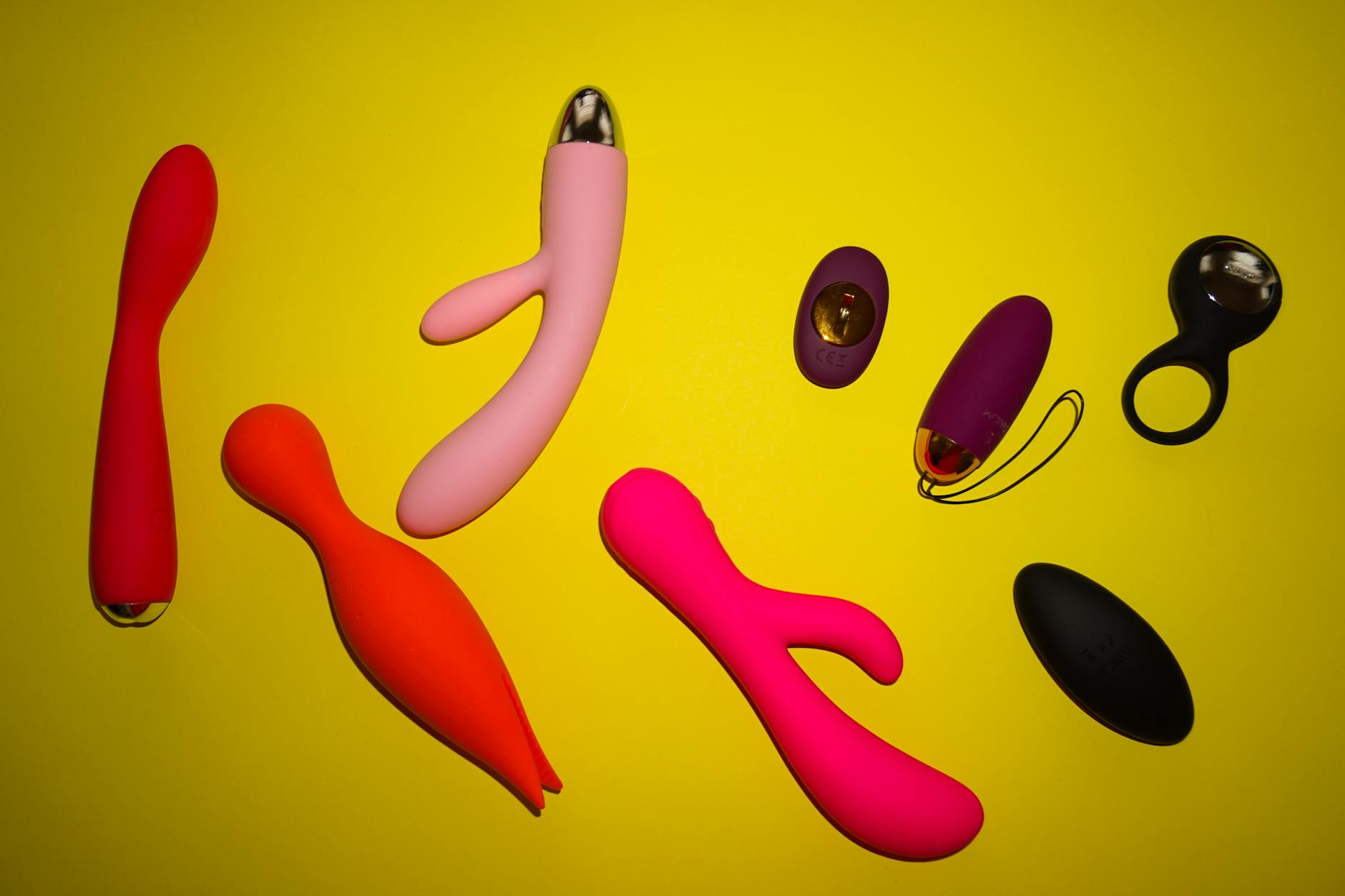
Let's start with what's actually happening
Your skin gets less sensitive. Your nerve endings don't fire quite as quickly. The tissues around your clitoris become slightly less reactive to pressure and friction. None of this is a failure. It's aging. And yet somehow, we're supposed to pretend our bodies didn't change.
Here's the thing: reduced sensation doesn't mean no sensation. It means your pleasure circuit needs a different kind of signal to light up. The good news is that lemon vibrators, particularly suction-based clitoral vibrators like those from The Lemon Pleasure Toys, are specifically designed to work with reduced sensitivity rather than against it.
Let me walk you through why, and how to use them so you actually feel something.
Why sensation changes with age
The culprit is multifold. Collagen decreases in your skin and genital tissues, making everything slightly less taut and responsive. Your circulatory system delivers blood a bit more slowly, which means arousal takes longer to build and plateau. Nerve density doesn't actually drop much, but the speed of nerve signal transmission does slow. Plus, any medications you're on, stress levels, relationship dynamics, and even how you're breathing all play a role.
Most people assume their pleasure is broken. It's not. Your nervous system is just asking for a different stimulus. Direct pressure that used to feel amazing might now feel too subtle to register. But targeted suction that stimulates multiple nerve pathways at once? That can feel revelatory.
Why lemon vibrators work when sensation feels distant
Traditional vibrators rely on speed and friction. You press them against your body and hope the oscillation fires your nerve endings fast enough to feel it. When sensation is already diminished, that's a losing game.
Lemon clitoral vibrators use a suction mechanism that does something different. Instead of pressing and vibrating, they create a gentle pulling sensation that stimulates the entire clitoral complex, including the internal portions you can't see. This engages nerves in a way that doesn't require extreme sensitivity to register.
Think of it this way: if you're trying to hear a whisper in a noisy room, you either ask someone to shout or you move closer to the speaker. Lemon vibrators move you closer to the speaker.
How to actually use them when sensation is reduced
Start with the lowest setting. Most people with reduced sensation make the mistake of jumping straight to intensity level 4 or 5, hoping for a big feeling. This backfires because you acclimate to high stimulation instantly and then need even more intensity. Start at level 1.
Place the suction head directly over your clitoris. Not near it. Directly over it. The seal is everything. If air leaks in, the suction drops and you lose the effect entirely. Wet your skin slightly if needed. The moisture helps the seal.
Then wait. Seriously. Give it 2-3 minutes at level 1. Your nerve endings are slow to wake up, and this is a different sensation than what you're used to, so your body needs permission to recognize it as pleasure rather than just feeling puzzled.
Only after you feel something should you consider going to level 2. And you might stay there. Many people with reduced sensation find levels 1-3 are their sweet spot, because intensity isn't the issue. The specific type of stimulation is.
Warmth and circulation matter more than you think
Before you use your lemon clitoral vibrator, do something to get blood flowing. Take a warm shower or bath. Use a heating pad on your lower abdomen for 5-10 minutes. Massage the area gently. Have a glass of wine or tea. These aren't luxuries, they're physiology.
When your tissues are warm and your circulation is activated, nerve response improves. Your body literally becomes more responsive. This is why arousal takes longer as we age, but also why the foreplay quality matters so much more.
Partner involvement changes the equation
If you're using lemon vibrators with a partner, the conversation is worth having beforehand. Explain what you're doing and why: not because there's something wrong with you, but because your body is asking for a different kind of input now. A good partner will be curious, not defensive.
Some people find that using a clitoral vibrator during partnered sex feels awkward the first time. It doesn't have to. You can use it during foreplay only. You can use it while they're touching you elsewhere. You can use it for your own pleasure before they arrive. The structure is entirely up to you.
One client of mine realized that her reduced sensation was partly psychological. She'd internalized the message that "real" pleasure happened one specific way, and when that way stopped working, she assumed something was broken with her body. Once she divorced the idea of pleasure from a single pathway, reduced sensation stopped feeling like failure and started feeling like permission to explore.
When to add lubrication and why it matters more now
You might not need lubrication with a clitoral vibrator in the way you would with penetration. But having a small amount of water-based lube nearby changes things. It eases any friction on the skin, helps the suction seal work better, and removes the friction-based discomfort that sometimes happens when sensation is reduced and you're working harder to feel something.
A tiny dab is enough. Too much breaks the suction seal.
What reduced sensation is NOT
It's not a sign that you're getting old and should stop wanting pleasure. It's not a biological signal to give up. It's not a permanent condition, though it may persist. And it's absolutely not something you should feel embarrassed about or hide from a partner or healthcare provider.
Many people rediscover their most satisfying orgasms after their sensation changes, precisely because they stop fighting their body and start working with it.
FAQ: Reduced sensation and lemon vibrators
How long does it take to feel something with a lemon clitoral vibrator if sensation is already reduced?
Most people report feeling a difference within 2-5 minutes on the lowest setting. If you're not feeling anything after 10 minutes, check the seal (make sure no air is leaking), add a tiny amount of water-based lubricant, or make sure your tissues are warm. If you're still not feeling anything, you may benefit from chatting with your doctor, because reduced sensation that doesn't respond to any stimulus can signal other issues like nerve damage or circulatory problems.
Will lemon vibrators make my sensation worse if I use them a lot?
No. The opposite is actually true. Regular stimulation with lemon vibrators trains your nervous system to recognize and respond to pleasure signals. You're not burning out your nerves, you're exercising them. That said, if you use any vibrator for 20+ minutes consecutively, you might feel slight numbness afterward. That's temporary and normal. Take a break and move on.
Can I use lemon vibrators if I have nerve damage from diabetes or other conditions?
Yes, but talk to your doctor first. Suction-based vibrators are actually gentler than traditional vibrators for people with compromised sensation because they don't rely on rapid friction. However, if you have severe nerve damage, you want professional guidance on what's safe for your specific situation.
Is it normal for the sensation to feel different each time I use a lemon vibrator?
Completely normal. Your arousal level, stress, hydration, time in your cycle (if you still menstruate), medications, and even the temperature of the room all affect how sensation feels. This variability isn't a bug, it's information. Pay attention to what conditions make pleasure more accessible. That's your body's feedback.
Can reduced sensation improve, or is it permanent?
Often it improves. Sometimes it doesn't. The variables are circulation, hormones, stress, medications, relationship dynamics, and how much attention you're paying to pleasure overall. If you've been avoiding intimacy because sensation felt distant, jumping back in with a lemon clitoral vibrator can sometimes reignite the pathway. But if reduced sensation is tied to medication side effects or deeper health issues, you'll need to address those too.
What's the difference between reduced sensation and total numbness?
Reduced sensation means you still feel something, just not as intensely as you used to. Total numbness means nothing registers at all. If you have complete numbness, that's medical and deserves a conversation with your doctor. Reduced sensation is what we're talking about here, and lemon vibrators are specifically built for exactly this situation.
The bottom line
Reduced sensation is not the end of pleasure. It's a different plot in the same story. Your body isn't asking you to stop wanting. It's asking you to stop expecting the same thing that worked at 25 to work the same way at 55 or 65 or 75. That's not failure. That's maturity.
Lemon clitoral vibrators meet your body where it actually is, not where you think it should be. They're designed for exactly this: when sensation needs a different kind of signal to wake up.
Start at level 1. Give yourself time. Use warm water. Keep it simple. And remember that building pleasure back after reduced sensation is often when people report the most genuine, shame-free, no-performance-required satisfaction of their lives.
Ready to explore? Reach out if you have questions about how to get started, or get in touch at /contact.