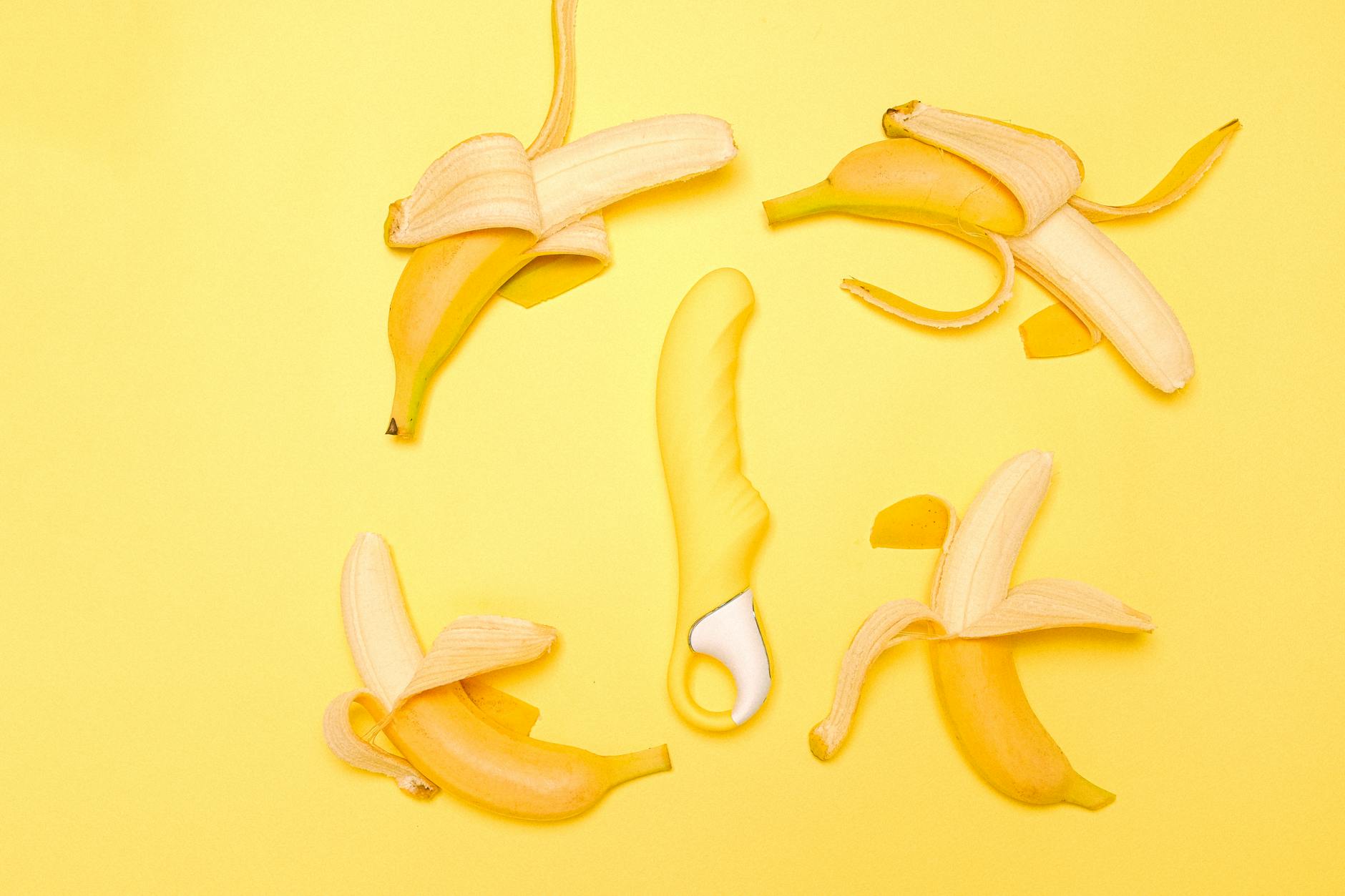
You don't have to rush back into pleasure after trauma. There's no timeline. And if you're curious about using lemon vibrators as part of your healing journey, that curiosity is valid whether you act on it today, next month, or next year.
I've worked with hundreds of clients rebuilding intimacy with their own bodies after sexual trauma, assault, abuse, or other experiences that shattered their sense of safety in pleasure. What I've learned is this: the body remembers trauma, but it also remembers pleasure. Tools like lemon vibrators, when approached with patience and intentionality, can help you reconnect with sensation on your own terms.
This isn't about forcing yourself. It's about having a map when you're ready to explore.
Lemon clitoral vibrators work through air-pulse suction rather than direct vibration. That matters for trauma recovery because suction creates distance between the toy and your skin. You're not being touched directly. Instead, you're feeling a gentle pull of pressure.
For many people who've experienced trauma, that distinction is huge. Direct touch, especially when unexpected or intense, can trigger a nervous system response. Suction feels more like a choice. You control the sensation, the intensity, and the rhythm. That sense of agency is essential.
Hello Nancy's Lem vibrator, for example, starts at the lowest setting with a rhythm that's predictable. Predictability helps your nervous system stay grounded. Your brain isn't waiting for something to surprise you. It knows what's coming.
That's why lemon vibrators often work better than traditional vibrators for trauma survivors. The suction mechanism itself carries less threat.
1. You need a grounding practice. Before touching the vibrator, practice bringing yourself into your body in a safe way. This might be holding ice, pressing your feet into the floor, or naming five things you can see, four you can hear, three you can touch. Grounding techniques teach your nervous system that you're in the present moment, not reliving the past.
2. You need a dedicated space. Use the same chair, bed, or room each time. Your nervous system learns safety through repetition and consistency. If you always use your vibrator in the same place, that space becomes associated with choice and comfort, not surprise.
3. You need clothes on to start. Seriously. Full clothes. Underwear on. You're building tolerance and safety in layers. You're not aiming for arousal yet. You're aiming for your nervous system to say, "This is safe." Once that's solid, you remove one layer at a time.
Week 1: Just touching the toy. Don't plug it in. Hold the lemon vibrator. Feel its weight. Feel the silicone. You might hold it while fully clothed, or you might undress over several days. This is about familiarization, not sensation.
Week 2: Turning it on (on the lowest setting). Use it on your inner thigh, your stomach, your forearm. Anywhere but the clitoral area. You're teaching your nervous system that this device doesn't hurt, doesn't surprise, and doesn't demand anything from you. Some people need to stay in this phase for weeks. That's normal.
Week 3: Applying it over underwear. If you're ready, place the lemon vibrator over your underwear at the lowest setting. Still no direct contact with skin. You're adding a tiny step of intimacy while keeping a barrier.
Week 4 and beyond: Exploring at your pace. Some people are ready to remove underwear and use the vibrator directly by now. Some aren't. Both are fine. There is no finish line. If you need to stay in layer 2 or 3 for six months, do that. Your healing isn't slow. It's exactly the right speed for your body.
If you experience freezing, dissociation, intrusive thoughts, or panic while using the vibrator, stop immediately. Don't feel like you failed. Your nervous system is doing exactly what it was designed to do: protect you.
When this happens, switch to your grounding practice. Call someone. Drink cold water. Take a shower. Do something that brings you fully back to the present moment and reminds you that you're safe now.
Then, put the vibrator away for at least a week. When you return to it, go back a step. If you were using it directly on skin, go back to over underwear. If you were using it over underwear, go back to just holding it. Regression isn't failure. It's your body asking you to slow down, and you should listen.
There's a myth that healing from trauma means reclaiming the pleasure you had before. That's not always true, and it's not the goal. Sometimes your relationship with pleasure changes permanently, and that's okay. Sometimes it opens up in entirely new ways you didn't expect.
The point of tools like lemon vibrators isn't to return to who you were. It's to learn that your body can feel good sensations now, in this present moment, when you choose them. That your nervous system can distinguish between threat and safety. That you have agency over your own pleasure.
For some survivors, that realization alone is transformative. For others, it's a stepping stone to deeper reclamation. Either way, it matters.
If you've experienced sexual trauma specifically, working with a trauma-informed therapist or somatic practitioner while exploring this territory is incredibly valuable. They can help you recognize when your nervous system is dysregulated and teach you techniques tailored to your specific trauma responses.
You might also explore modalities like EMDR, somatic experiencing, or trauma-sensitive yoga. These approaches work with your body's memory, not against it. A therapist can help you integrate lemon vibrators into your healing work as a tool, not as pressure.
If you do get to the point of using a lemon vibrator directly on your clitoris, start at setting 1 or 2. This isn't because you're fragile. It's because intensity can be overwhelming when your nervous system is still learning that sensation equals safety.
Low-intensity stimulation also gives you time to notice what you're feeling. Are you staying present, or are you dissociating? Is this feeling good, or is it feeling like you should feel good? Those are different things, and you need to know which one is happening.
Many survivors find that they only enjoy vibrators at very low intensities. Some never progress beyond that, and that's completely valid. You're not aiming for a specific outcome. You're listening to what your body is telling you.
Let's be clear: using a lemon vibrator is not therapy. It's a tool that can support your healing if used intentionally, but it's not a substitute for professional care. If you're processing trauma, you need a therapist. Period.
What a vibrator can do is help you practice being in your body safely. It can help you notice where your nervous system has learned to tense up. It can help you experience pleasure without shame. Those things matter, but they're not the same as processing the trauma itself.
So if you're going to use lemon vibrators as part of your healing, also commit to working with someone trained in trauma recovery. Your body deserves both the tools and the guidance.
If you have a partner and you're navigating this terrain, communication is everything. You don't have to share every detail of your trauma or your healing process. But you do need to say something like: "I'm working on rebuilding my relationship with my own pleasure. I might be exploring new things at my own pace, and I need you to respect that pace without question."
A partner worth keeping will ask what you need, listen without judgment, and never pressure you. If your partner responds with confusion, pressure, or dismissal, that's information about the relationship, and it matters.
Yes, with intention and support. Lemon vibrators can be part of trauma recovery because the suction mechanism feels less invasive than direct vibration. But using one while managing PTSD requires grounding practices, a safe space, and ideally, work with a trauma-informed therapist. Start at the slowest setting, keep yourself clothed initially, and never push past your nervous system's boundaries.
Trauma typically involves a nervous system response: freezing, panic, dissociation, or physical pain when confronted with sexual touch or sensation. Low libido is usually a flatness of interest without that acute threat response. Both are valid, but they're treated differently. A therapist can help you distinguish between them.
There's no standard timeline. Some people rebuild their relationship with pleasure in months. Others take years. Some find that their pleasure looks completely different afterward, and that's healing too. The goal isn't speed. It's respect for your body's pace.
It's possible if you push too fast or use them without grounding practices. That's why starting slow, staying clothed, and working with a therapist is essential. Your nervous system will tell you if something isn't safe. Your job is to listen.
Absolutely. A good trauma-informed therapist wants to know what tools you're using to support your healing. They can help you use it safely and integrate it into your broader recovery work. If your therapist shames you for exploring your body, find a new therapist.
That's completely valid. Your sexuality doesn't have to look like anyone else's. Some trauma survivors reclaim pleasure through non-penetrative stimulation only, and that's a full, rich sexuality. Lemon vibrators are designed for external clitoral stimulation, so they're actually perfect for that path if it's the one you choose.
Healing from trauma isn't linear, and it's not about returning to who you were before. It's about building a new relationship with your body that's grounded in choice, safety, and consent. Tools like lemon vibrators can be part of that journey, but only if you use them with intention and patience.
Your pleasure matters. Your safety matters more. If you're ready to explore, do it slowly. If you're not ready yet, that's wisdom, not resistance. Your body knows what it needs.
If you want to talk through what healing looks like for you, or you need guidance on navigating intimacy after trauma, reach out. That's what we're here for.