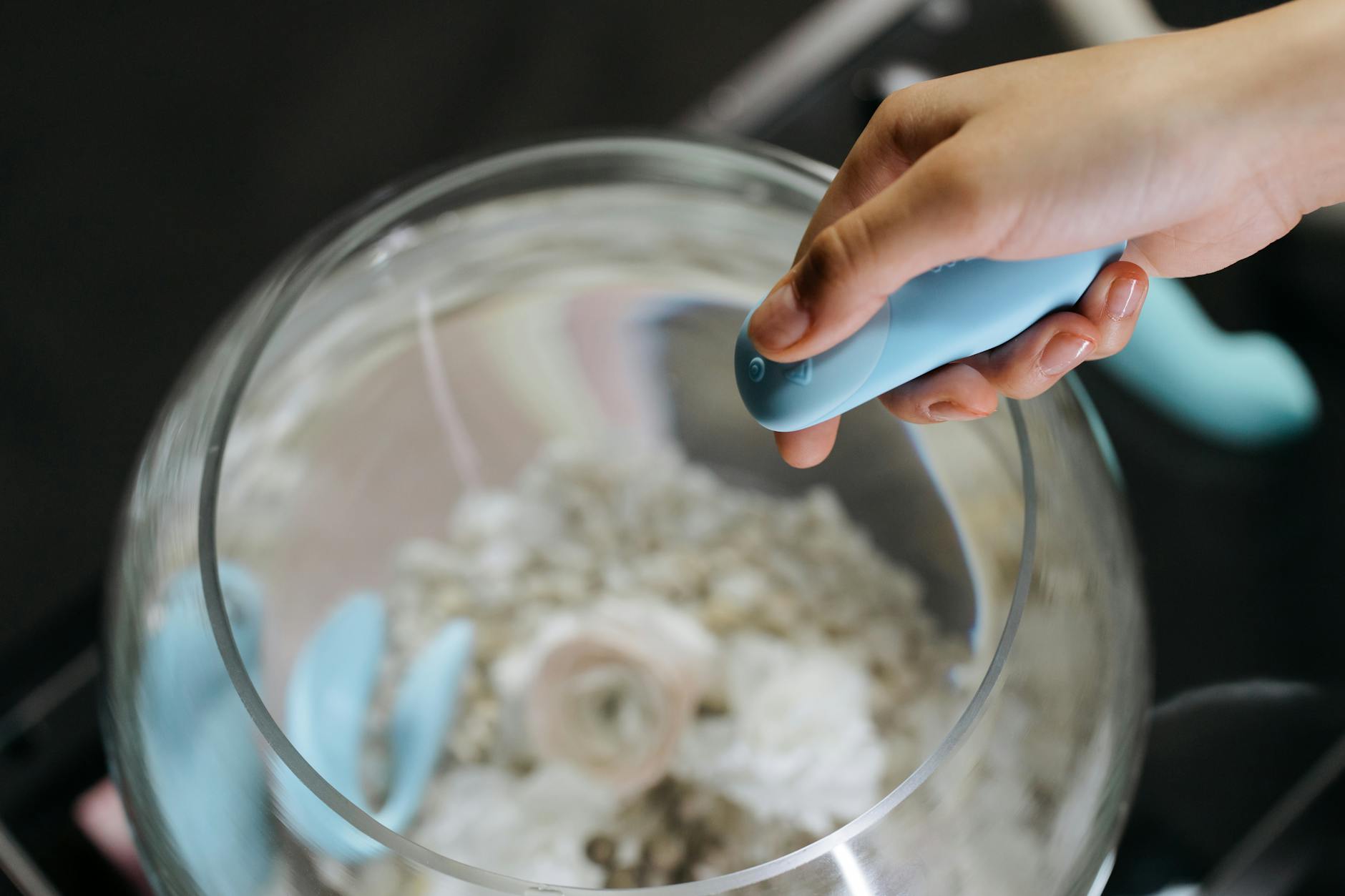
Here's the thing about vibrators. Most people assume "stronger is better." It's not. In fact, jumping straight to maximum intensity on your lemon clitoral vibrator is a bit like turning the shower to full blast before your body's warmed up. You might jump back, not because something's wrong with you, but because you skipped a step.
I work with couples navigating pleasure and intimacy, and I hear this repeatedly. Someone buys a new adult toy, cranks it to the highest setting immediately, and either feels overwhelmed or disappointed. Then they assume the toy wasn't for them. The reality? They never found their actual sweet spot.
Your sensitivity to vibration depends on several things happening at once. First, there's baseline tissue sensitivity. Some people's clitorises are naturally more responsive to light stimulation. Others need deeper, more sustained pressure. Neither is better. They're just different wiring.
Second, arousal level matters enormously. When you're just starting out, high-intensity vibration can actually feel numbing or unpleasant. As blood flow increases and arousal builds, the same intensity suddenly feels perfect. This is why the "low to high" approach works so well with lemon vibrators.
Third, hormonal fluctuation plays a role. If you track your cycle, you've probably noticed that your body responds differently depending on where you are in it. The same intensity setting that felt amazing on day ten might feel slightly off on day twenty. This is completely normal, and it's why having multiple intensity options on your lemon sexual toy matters.
Finally, stress and mental state are massive. If you're holding tension in your shoulders or distracted by your to-do list, you'll need more intensity to feel anything at all. If you're relaxed and present, lower settings become surprisingly powerful.
I'm not exaggerating. If your lemon vibrator has a one through ten scale, start at one. Or two. Seriously.
When you first switch on your device, let it run for a few seconds against your inner wrist or forearm. This does two things. It gets you used to the sensation without the vulnerability of direct clitoral contact, and it gives your nervous system a baseline to calibrate from. You're telling your body what's coming.
Then, bring it to your clitoris at that low setting. Don't move it around yet. Just hold it still and let yourself feel what that level actually does. Stay there for thirty seconds to a minute. Really pay attention to the sensation. Does it feel good? Neutral? Too much?
This pause matters more than it sounds. Most people skip it because it feels anticlimactic. But what you're doing is gathering information. You're learning your body's actual response to stimulation intensity without the anxiety of "am I doing this right."
Once you've sat with intensity level one or two, bump it up one notch. Wait another thirty seconds. Notice the difference. It's subtle, and that's intentional.
Keep this rhythm going. Each increase gives you time to acclimate and to distinguish what each level actually feels like. This is especially important with lemon clitoral vibrators because the suction mechanism is different from traditional vibration. The sensation builds gradually rather than hitting you all at once.
Somewhere in this journey, something will shift. Usually between levels three and six, depending on your body, you'll hit a spot where the sensation starts feeling genuinely good rather than just tolerable. That's not necessarily your peak. It's just your baseline of "this is working."
Keep climbing past it. Your peak intensity might be level five. It might be level eight. Some people find their sweet spot around medium and never go higher. Others are comfortable at maximum. Neither is correct. You're looking for what your nervous system actually wants, not what you think you should want.
Here's where intensity gets more interesting. The same physical power level feels completely different depending on how you move the toy.
If you hold your lemon vibrator still against your clitoris, intensity level five might feel moderate and sustained. If you move it in small circles at that same level, it intensifies the sensation. If you move it away and come back repeatedly, you create a rhythm that can feel more dynamic even at lower intensity settings.
This is why I recommend experimenting with the toy stationary first. Once you've found a baseline intensity that feels good, then you can play with movement and see how that changes the experience. You might discover that intensity level three with movement feels as strong as level six held still.
Many people find that combining lower intensity with intentional movement creates more pleasure than maxing out the power. It's also less fatiguing for your hand and for your nervous system overall.
If you've noticed that your clitoris feels less sensitive than it used to, intensity settings become even more crucial. The instinct is usually to turn the lemon vibrator up to maximum. But here's what actually works better.
Lower intensity combined with longer sessions often produces better results than blasting high intensity for short bursts. This sounds counterintuitive, but what's happening is that sustained lower-intensity stimulation lets your nervous system wake up gradually. High intensity for short periods can numb rather than arouse.
I typically recommend trying intensity level two or three for five to ten minutes before assessing whether you need to go higher. Many people find that this approach builds sensation and arousal in a way that higher intensity doesn't. For folks working with reduced sensation from hormonal birth control or other factors, this extended low-to-medium approach is often the game changer.
Some people genuinely do orgasm best at or near maximum intensity. That's completely valid. The key is getting there intentionally, not defaulting to it.
Maximum intensity usually works best when you're already highly aroused and know your body well. It's also useful for people who need sustained pressure rather than sensation, or who are working with numbness or reduced feeling.
Where maximum intensity often backfires is when someone uses it as their starting point, or when they're trying to use it to force an orgasm that isn't building naturally. Pleasure doesn't work that way. You can't coerce arousal. You have to invite it. Lower intensity combined with patience does that far more reliably than cranking everything to eleven.
If you find yourself always reaching for maximum intensity because nothing else "works," it might be worth checking in with a healthcare provider. Consistently needing maximum stimulation can sometimes signal reduced sensitivity that benefits from medical attention, like genitourinary syndrome of menopause, or simply indicate that your current approach needs adjusting rather than intensifying.
Here's something important: your sweet spot will probably shift. Your body changes seasonally, hormonally, emotionally, and with age. What felt perfect at thirty-five might not be your favorite at forty-five. That's not failure. It's information.
This is actually why having a lemon vibrator with multiple intensity settings is so valuable. You're not locked into one experience. You can adapt. When you notice sensitivity shifting or pleasure changing, you have the tools to recalibrate.
I also recommend revisiting the "start low" approach periodically, especially during life transitions. If you've always used intensity level seven, but you're stressed or hormones are shifting, going back to three or four and rediscovering the sensation from there can be surprisingly rewarding. It resets your baseline and often reminds you why you loved the toy in the first place.
If you're using your lemon sexual toy with a partner, intensity becomes a communication tool. Showing your partner what each level feels like, or letting them watch while you explore, turns the experience into something collaborative rather than performative.
Many couples find that using lower intensity settings together actually builds more connection than going straight to maximum. It slows things down. It requires attention and presence. And honestly, it often produces better orgasms on both sides.
Intensity is power level. Pattern is how the vibration pulses or changes. Some lemon clitoral vibrators have both. You might have ten intensity levels and three different patterns, meaning you actually have thirty different combinations to explore. Start with one pattern at low intensity before experimenting with pattern variations.
Not in the way people sometimes worry. Your clitoris is resilient. That said, regularly using maximum intensity can contribute to temporary numbness or desensitization. If you notice your clitoris feels less responsive over time, it's usually a sign to dial back intensity and give your nervous system recovery time. This isn't permanent, but it does happen. Varying your intensity settings prevents this entirely.
Your nervous system is adapting to the sensation. This is called habituation, and it's completely normal. The vibrator's power hasn't changed, but your body has stopped registering it as intensely. This is another reason the low-to-high approach works. If you start at a low level, you can gradually increase intensity as your sensitivity to it builds, and you'll maintain more consistent sensation throughout.
It can be, yes. Hormonal changes, shifts in blood flow, and nervous system changes all happen with age. But needing higher intensity isn't inevitable. Often, what actually works better is spending more time on arousal and warm-up. Lower intensity combined with more extended stimulation often works better than cranking intensity higher. If intensity needs keep climbing and it's frustrating you, mention it to your doctor.
That depends on what you both want from the experience. Some couples love the dynamic of one person controlling intensity. Others prefer the person using the vibrator to manage it. There's no right answer. What matters is talking about it explicitly beforehand. "I want you in control" and "I need to manage the intensity myself" are two completely different experiences, and both are valid.
Yes, many people do. But most people find their pleasure varies more and lasts longer when they play with intensity rather than staying static. Think of it like music. A song at one volume the whole time is less engaging than one with dynamic range. Your body tends to respond the same way. That said, if maximum intensity feels best to you, that's genuinely your answer. Not everyone needs variety.
Grab your lemon vibrator, set aside twenty minutes without pressure or expectation, and actually map your body's response to different intensity levels. Treat it like curiosity rather than performance. Notice where the sweet spots are. Notice how your preferences shift depending on your stress level, where you are in your cycle, or how aroused you are already.
Your intensity preference isn't fixed. It's a conversation your body has with the vibrator and with yourself. The more you listen, the more you'll get out of the experience. That's not advice. That's how pleasure actually works.
If intensity exploration feels confusing or frustrating, or if you're using a lemon vibrator with a partner and you're not sure how to navigate this together, that's worth a conversation with someone who specializes in this. Every body is different, and sometimes professional guidance helps enormously. That's what I'm here for, and I'm always available at /contact.