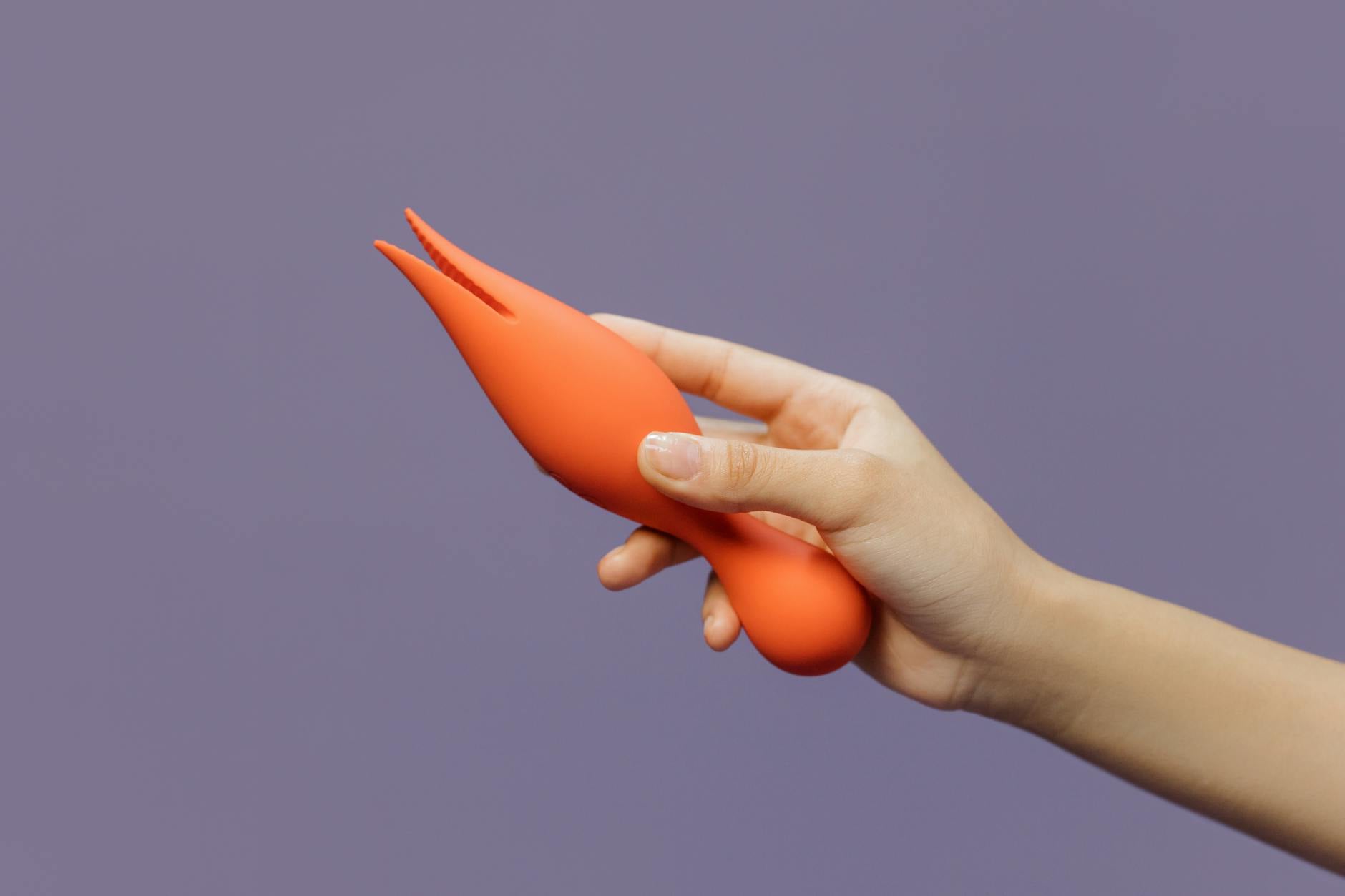
How Lemon Vibrators Rekindle Intimacy When Kids Leave Home
The empty nest isn't the end of desire. It's the beginning. Here's how lemon clitoral vibrators help couples rediscover each other after two decades of parenting mode.
Twenty years. Two decades of school runs, soccer tournaments, bedtime routines, and the constant low hum of someone else needing you. Then one day, your kid moves out. The house is quiet. Your partner is still there. And you both realize you don't actually know how to be a couple anymore.
This isn't a failure. It's the gap between parenting mode and partnership mode. And it's weirdly common for couples to rediscover sex and intimacy through this transition using tools that make reconnection feel accessible instead of pressured.
Let's be real about what happens over twenty years of raising kids. Sex becomes scheduled around school closures. Foreplay gets cut down to four minutes because someone might wake up. Your body becomes a logistics hub for everyone else's needs, and by the time your partner wants touch, you're touched out.
But here's the thing nobody mentions: the infrastructure of desire doesn't disappear. It hibernates. And empty nest wakes it up if you give it permission.
The problem most couples run into is that they try to go from zero to full intimacy overnight. One partner suddenly wants reconnection. The other feels pressure. It becomes an obligation instead of a rediscovery. That's where lemon vibrators and clitoral vibrators actually solve a real structural problem. They give you a way to explore pleasure again without the weight of "we need to fix our marriage" hanging over it.
Think of it this way. If you're both a bit rusty with desire, a lemon sucker or lem vibrator becomes a reset button. It's not about performance. It's about sensation. About remembering that pleasure exists in your body independently of what you "should" be doing as a couple.
Before you buy anything, you need a conversation. Not "we should have more sex." That's a demand. Try this instead.
Pick a low-pressure moment. Not in bed, not during sex talk time. Maybe Sunday morning over coffee. Say something like: "I've been thinking about us. About how the last twenty years got kind of consumed by the kids. And I miss you. Not in a guilty way. Just genuinely miss the playfulness part."
From there, you can talk about what you both remember about early sexual connection. What felt easy. What felt fun. What got lost.
Then say: "I've been reading about how some couples use vibrators to kind of restart things without pressure. Would you be interested in exploring that together?"
Notice what you're not doing here. You're not implying he's not enough. You're not saying you're broken. You're framing it as joint rediscovery.
Here's the clinical part, and why lemon vibrators specifically work well for this season of life.
After twenty years of sex that was often interrupted, rushed, or mentally split between three other tasks, many women's bodies have calmed down their arousal response. It's not a problem. It's a normal adaptation to stress. Clitoral vibrators, especially air-suction designs like the lem vibrator, work because they bypass the need for your partner to intuit what you need. The stimulation is direct, focused, and consistent in a way that human touch alone sometimes can't replicate after decades of quickies and logistical sex.
This matters for couples because it removes one source of friction. If you're worried about whether your partner can get you there, or whether you'll respond, the anxiety itself becomes the barrier. A lemon vibrator (or any quality clitoral vibrator) sidesteps that entirely. You get sensation. Often strong sensation. And your partner gets to be present with you without carrying the entire responsibility for your pleasure.
The mechanics are straightforward, but the emotional setup matters more.
Start by exploring alone first. Maybe spend a week or two rediscovering what feels good to your own body. This isn't cheating your partner out of anything. It's the opposite. You're gathering data. You learn where sensitivity lives now. You learn your own rhythm again.
Then invite your partner into the experience. This can mean:
Watching you use the lemon vibrator and being present. Not performing. Just being there, maybe touching you in other places. Building that reconnection through presence instead of pressure.
Using the vibrator on you. Experimenting with patterns, speed, and positioning together. This turns it into collaborative play instead of solo relief.
Creating a ritual around it. Maybe Friday nights. Maybe with music or a specific setting. Something that signals "this is our time" to both of you.
What you're actually doing is rebuilding trust in each other's body. That might sound weird, but after twenty years of parenting, trust in pleasure needs to be learned again.
Something shifts once you've rediscovered pleasure together. It's not that suddenly you're having wild sex five times a week. That's not the point and that's not realistic for your life stage. The shift is that sex stops feeling like a performance or an obligation. It becomes something you both want again.
You'll notice other things changing too. You'll touch more casually. You'll kiss longer. You'll text during the day about things that aren't logistics. Because pleasure has permission in your life again.
Most couples who go through this transition find that reconnecting sexually makes everything else easier. Not because sex fixes relationships. It doesn't. But because it's a language of play and vulnerability that gets rusty when you're in survival mode. Using lemon sexual toys or other quality vibrators is just a practical way to speak that language fluently again.
Some couples worry that using a vibrator means something is wrong. It doesn't. It means you're being smart about pleasure and connection after a long season of other priorities.
Some worry it will create dependency. It won't. A vibrator is a tool, not a replacement. People who explore pleasure with vibrators often enjoy partnered sex more, not less, because they know their own body better.
Some worry about expense. Quality lemon clitoral vibrators are one-time investments that last years. That's cheaper than couples therapy and arguably more fun.
The real worry, usually unstated, is about being seen. After twenty years of being in parent mode, the idea of being fully present with your partner in a sexual context can feel vulnerable. That's normal. That's also where the gentleness of this approach matters. You're not expecting performance. You're just reconnecting.
You'll have more time. That's the obvious part. What's less obvious is that you'll need to consciously choose each other in a way you haven't had to for a long time.
The couples who thrive in this phase are the ones who treat intimacy as something worth protecting. That doesn't mean scheduling sex like an appointment. It means creating space for it. Putting the phone away. Having conversations that aren't about logistics. Using tools like clitoral vibrators that help you both access pleasure without pressure.
Empty nest can be the beginning of the best sexual chapter of your partnership. Not because the sex is necessarily more frequent. But because it's finally, fully yours. You're not stealing moments between someone else's needs. You're choosing each other deliberately.
Start with curiosity, not prescription. Try: "I read that a lot of couples use vibrators to reconnect after the kids leave. Would you be open to trying something like that?" Notice you're not saying your body isn't enough or your partner has failed you. You're naming a tool that might help you both access pleasure more easily. Most partners respond well when the framing is about shared exploration, not about fixing a problem.
Completely normal. Your brain and body have been in survival mode. Sex was probably squeezed in around work, school, bedtimes, and exhaustion. That's not a relationship failure. It's just what parenting does. Empty nest is the permission slip to rebuild that part of your life together. Some couples find that reconnection happens fastest when they use tools like lemon clitoral vibrators because there's less pressure and more sensation.
Yes, but not magically. What they do is remove one source of friction: the pressure to perform or the anxiety about whether your body will respond. If one partner has lower desire, a vibrator gives them control over the experience. They can set the pace, the intensity, and the timing. That autonomy often makes intimacy feel safer and more appealing. The conversation still matters. But the tool can make the conversation easier.
There's no rule. Some couples use them weekly. Some monthly. Some use them for a few weeks during the reconnection phase and then find their own rhythm without them. Think of it like this: a lemon vibrator isn't a permanent solution. It's a reset button. Use it as often as feels good, then let your natural intimacy evolve from there.
This one's important. Some partners worry that vibrators mean they're not "enough." That's worth addressing directly. Try: "This isn't about you not being enough. It's about me getting to know my own body again after years of other people depending on me. And I want you there while I do it." If the concern persists, couples therapy can help unpack it. Sometimes the vibrator conversation is actually about deeper fears about being desired or being abandoned. A good therapist can help sort that.
Lemon vibrators and lemon clitoral vibrators work well for this specifically because they use air-suction technology, which feels different from traditional vibration. That difference often helps couples experience sensation in a fresh way, which supports the reset feeling you're going for. But honestly, any vibrator you both feel curious about will work. The tool matters less than the conversation and the intention behind it.